The Cause Found First
We look for what wore the yard down, such as compacted soil, poor drainage, or deep shade.
At Big Easy Lawn Care, we provide professional landscape restoration in New Orleans for homes and businesses. We bring tired, overgrown, and weather-worn yards and lawns back into shape, and we plan each job around the local climate and soil so the results hold up season after season.
Our landscape restoration in New Orleans starts with a free on-site look at what went wrong, from thin turf to standing water. We clear the overgrowth, repair the lawn and plantings that can be saved, replace what cannot, and walk the finished yard with you before we hand it back.
We look for what wore the yard down, such as compacted soil, poor drainage, or deep shade.
Tall grass, weeds, and leggy shrubs are cut back so the healthy parts of the yard can breathe again.
Thin areas are repaired and dead plants replaced, so the yard fills back in instead of staying patchy.
A fully insured professional handles the job from the first visit to the final walkthrough.
Branches, leaves, and dead plant material leave with us.
Manage service from your phone or browser and pay online.
We offer four kinds of landscape restoration in New Orleans: overgrown yard recovery for neglected properties, lawn revival for thin and patchy turf, residential restoration for homes of any size, and commercial restoration for businesses and managed grounds. Each project starts with a free, no-obligation estimate and a clear schedule before work begins.
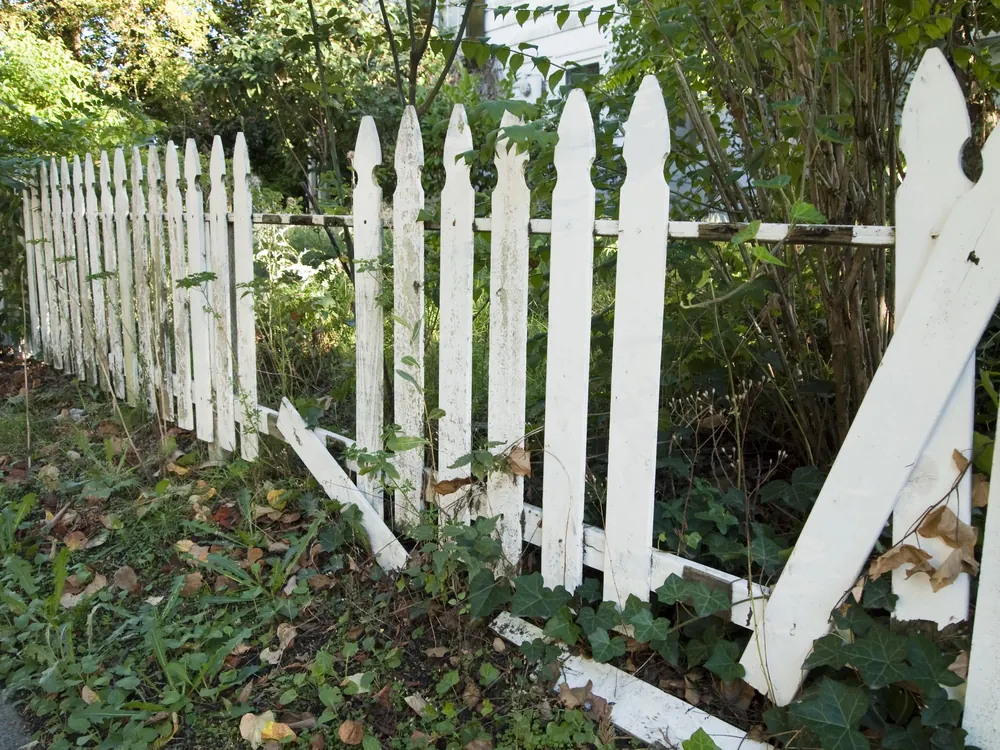
Yard restoration for a property left alone too long. We clear it in stages and sort what can stay from what has to go.
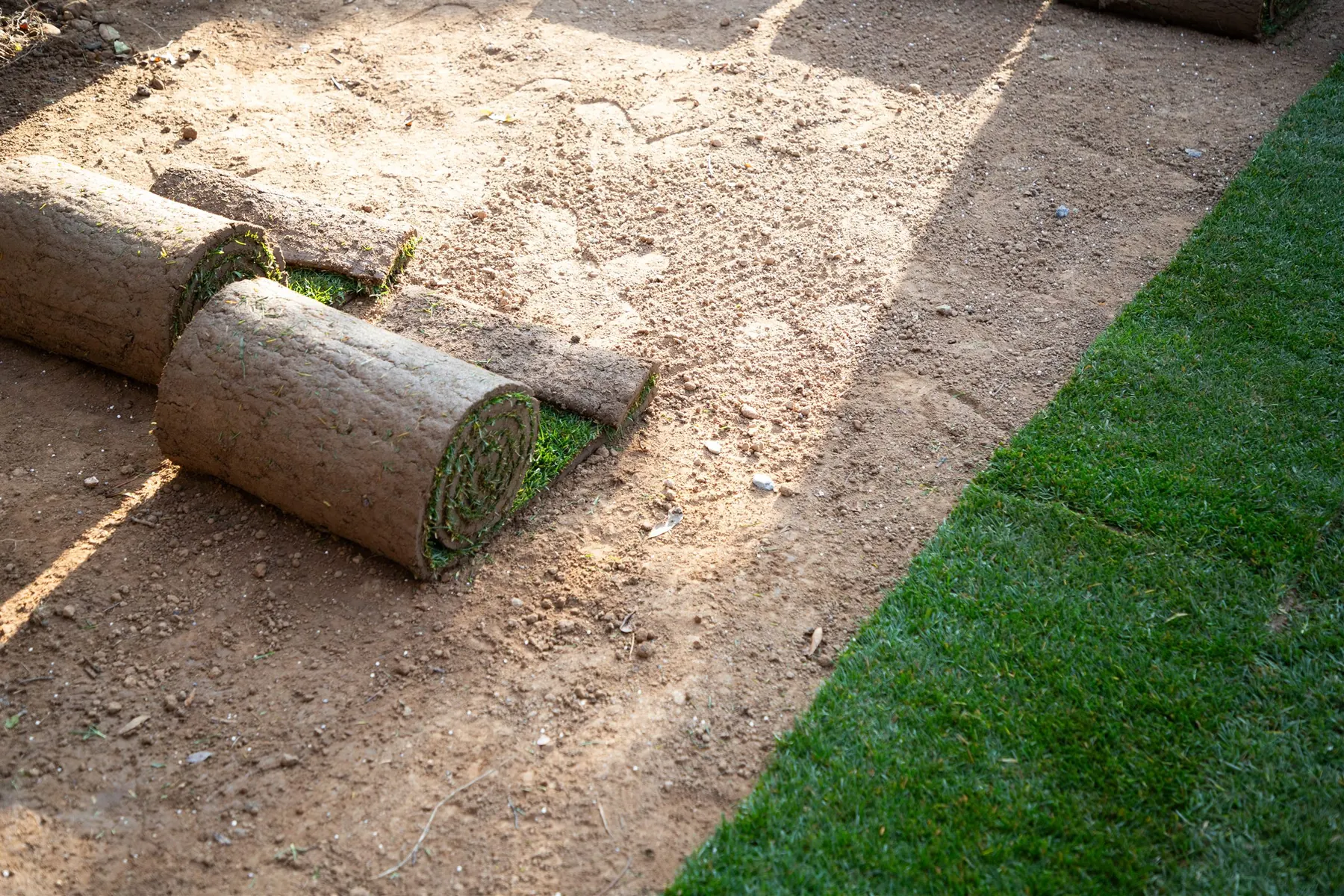
Lawn restoration for bare spots, thin turf, and weedy patches, with new grass only where the lawn cannot fill in on its own.
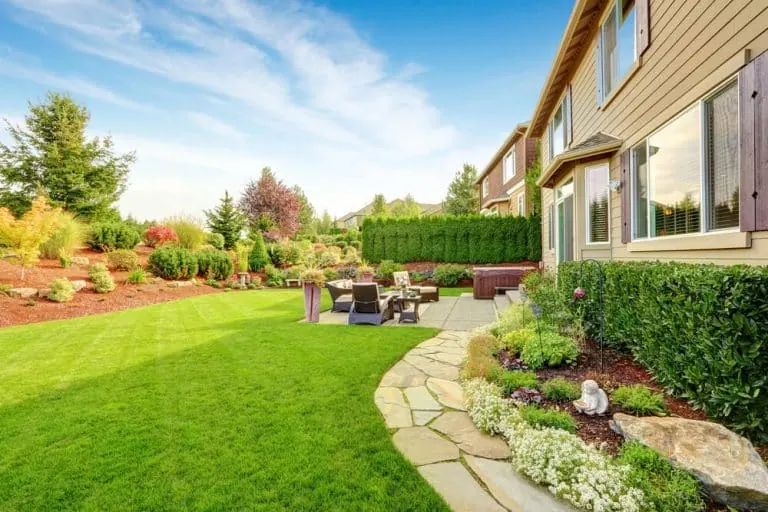
Front yards, backyards, and courtyards for homeowners who want to enjoy the space again.
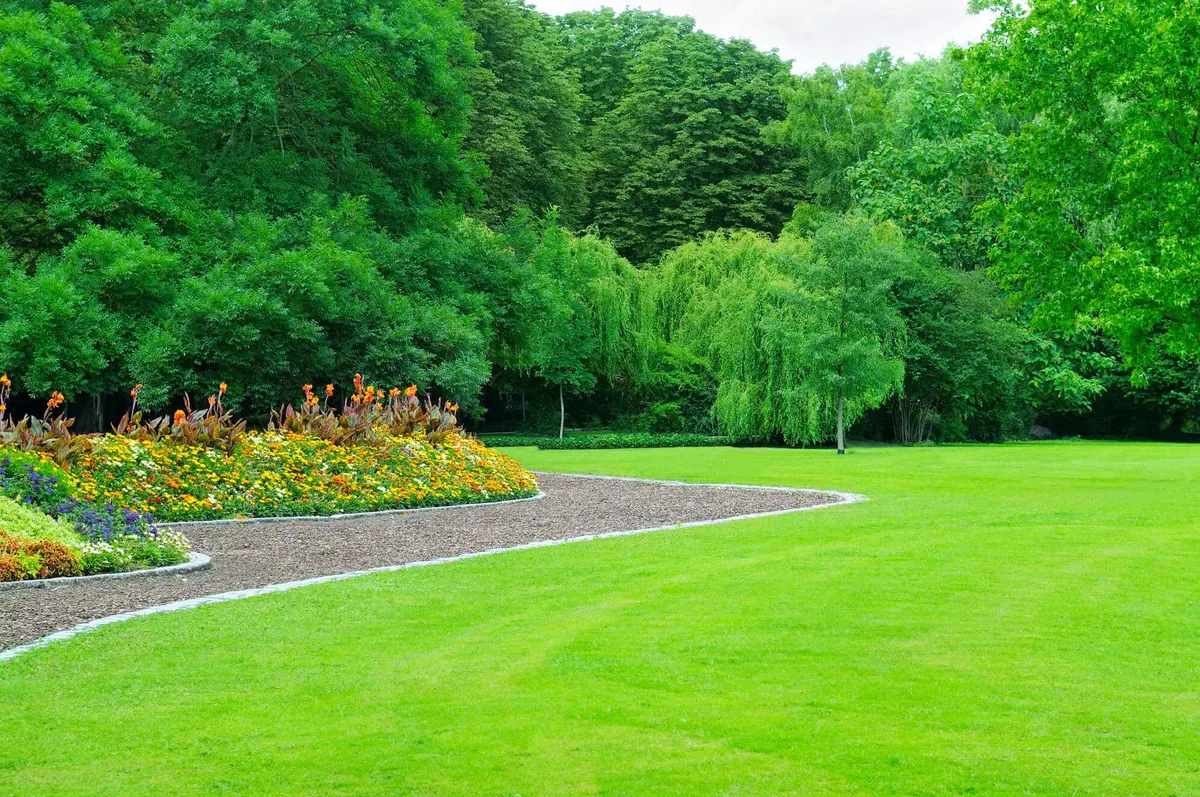
Businesses and managed properties whose grounds have slipped and need to look cared for again.
Landscape restoration works differently in New Orleans because intense heat, humidity, and heavy Gulf rains wear yards down quickly, and heavy rain leaves low spots waterlogged. LSU AgCenter advises making sure a lawn truly needs new sod before replacing it, so restoration here starts with soil and water, not with new plants.
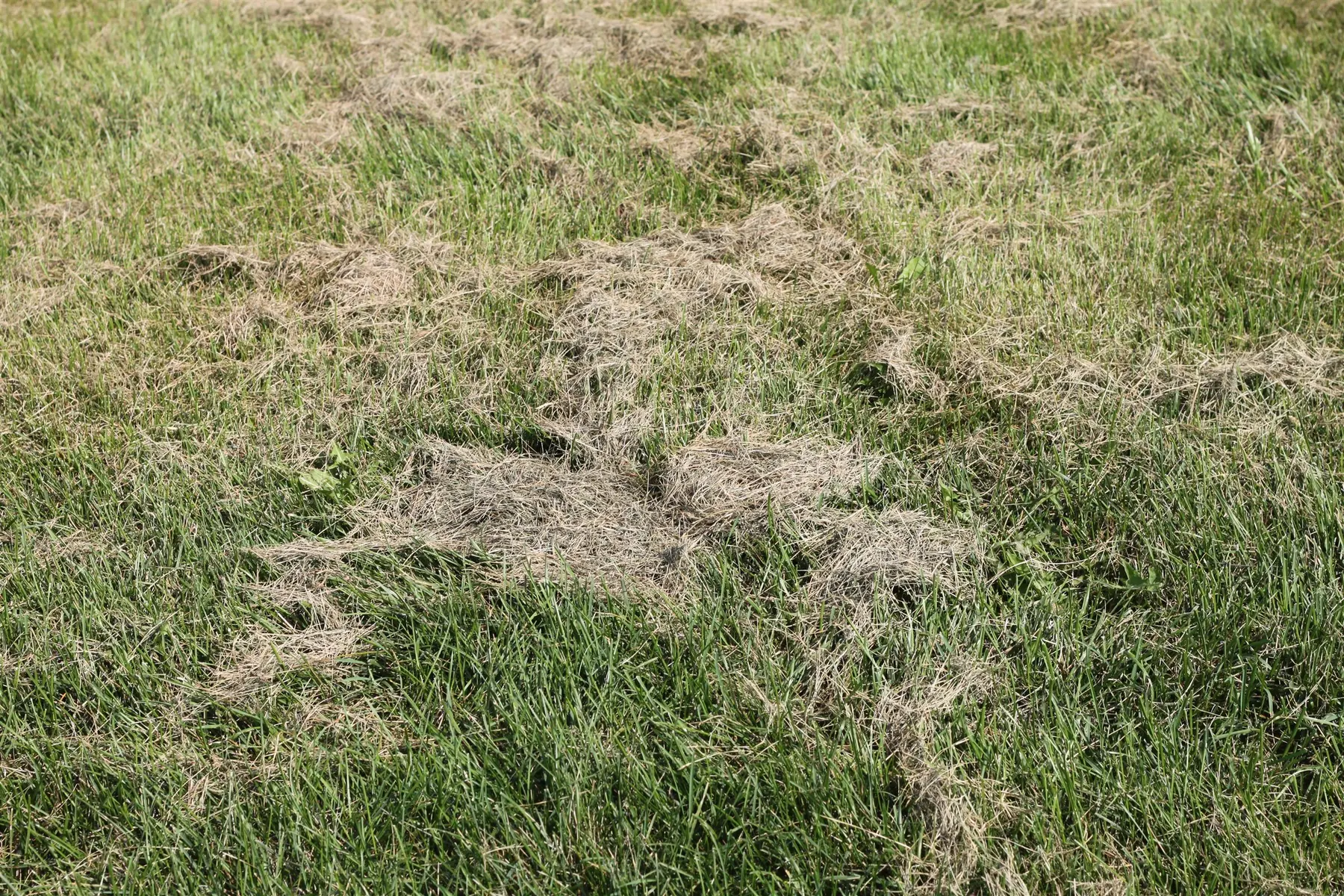
The clearest signs a New Orleans yard needs landscape restoration are bare or patchy grass, water that pools or leaves soggy spots after rain, soil that feels hard underfoot, and shrubs that are dead, scraggly, or overgrown. When regular mowing and watering no longer make a difference, the problem usually sits below the surface.
Thin turf
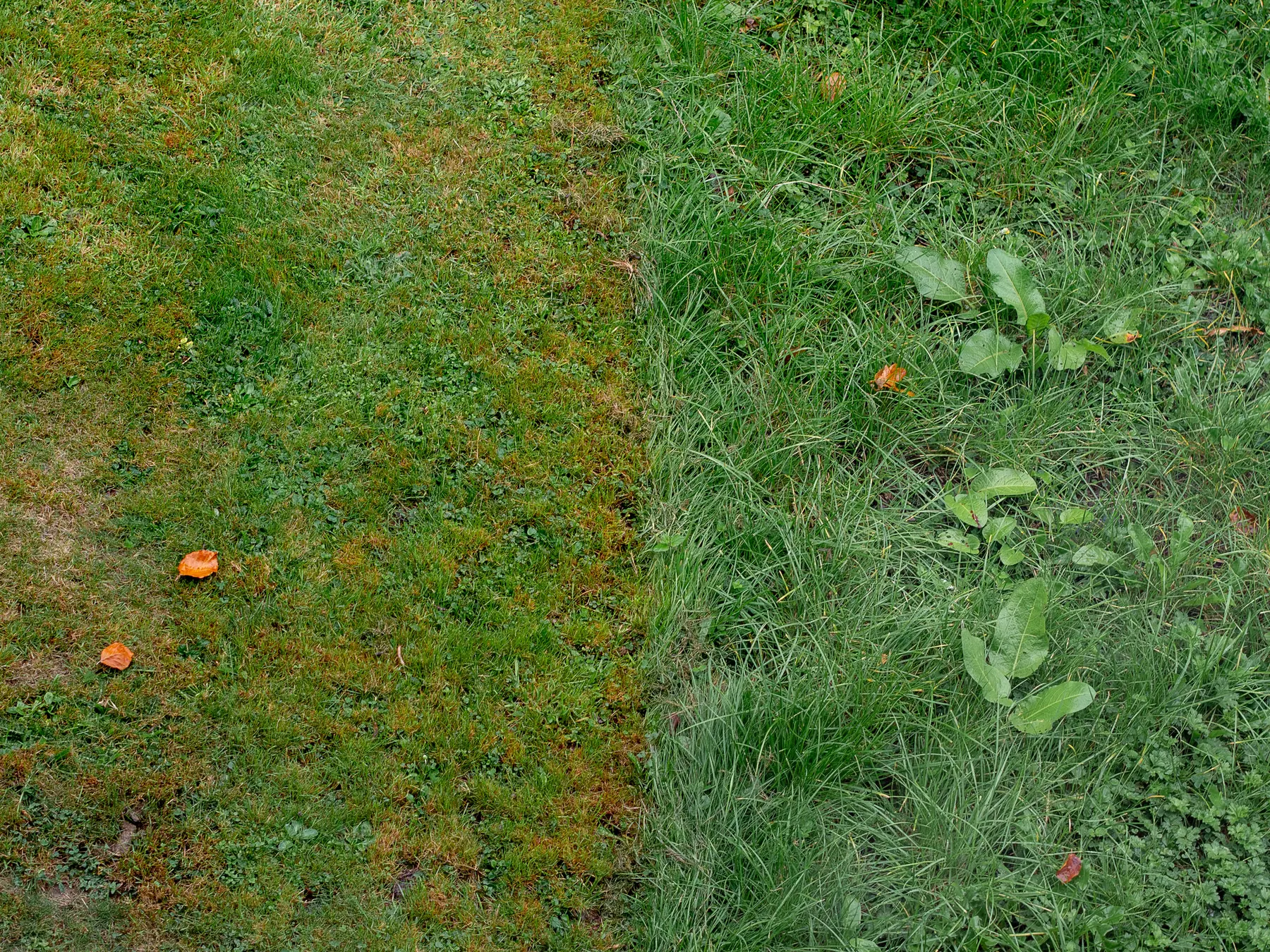
Large patches of bare soil or thin grass often trace back to heavy foot traffic, insects, deep shade, or poor drainage.
Soggy spots
Water that stands after heavy rain, or low spots that stay wet, point to a drainage problem worth fixing first.
Hard underfoot
When the lawn feels hard to walk on and grass struggles despite regular care, roots cannot get the air and water they need.
Scraggly shrubs
Shrubs that have grown leggy, or plants that have died off, leave gaps that regular mowing cannot hide.
Signs follow our own lawn care guides, with lawn repair advice from LSU AgCenter.
Our New Orleans landscape restoration process works in three steps. We visit the property and give you a free, no-obligation estimate with a clear schedule; a fully insured professional clears, repairs, and replants to suit the site's soil, water, and light; and we walk the restored yard with you and set up ongoing care.
We walk the yard, check the grass, soil, drainage, and shade, then plan the work to fit your goals and budget.
Overgrowth and debris come out first, then the lawn and plantings are repaired in the order the site needs.
We review the restored yard with you and explain how to water and mow while it recovers.
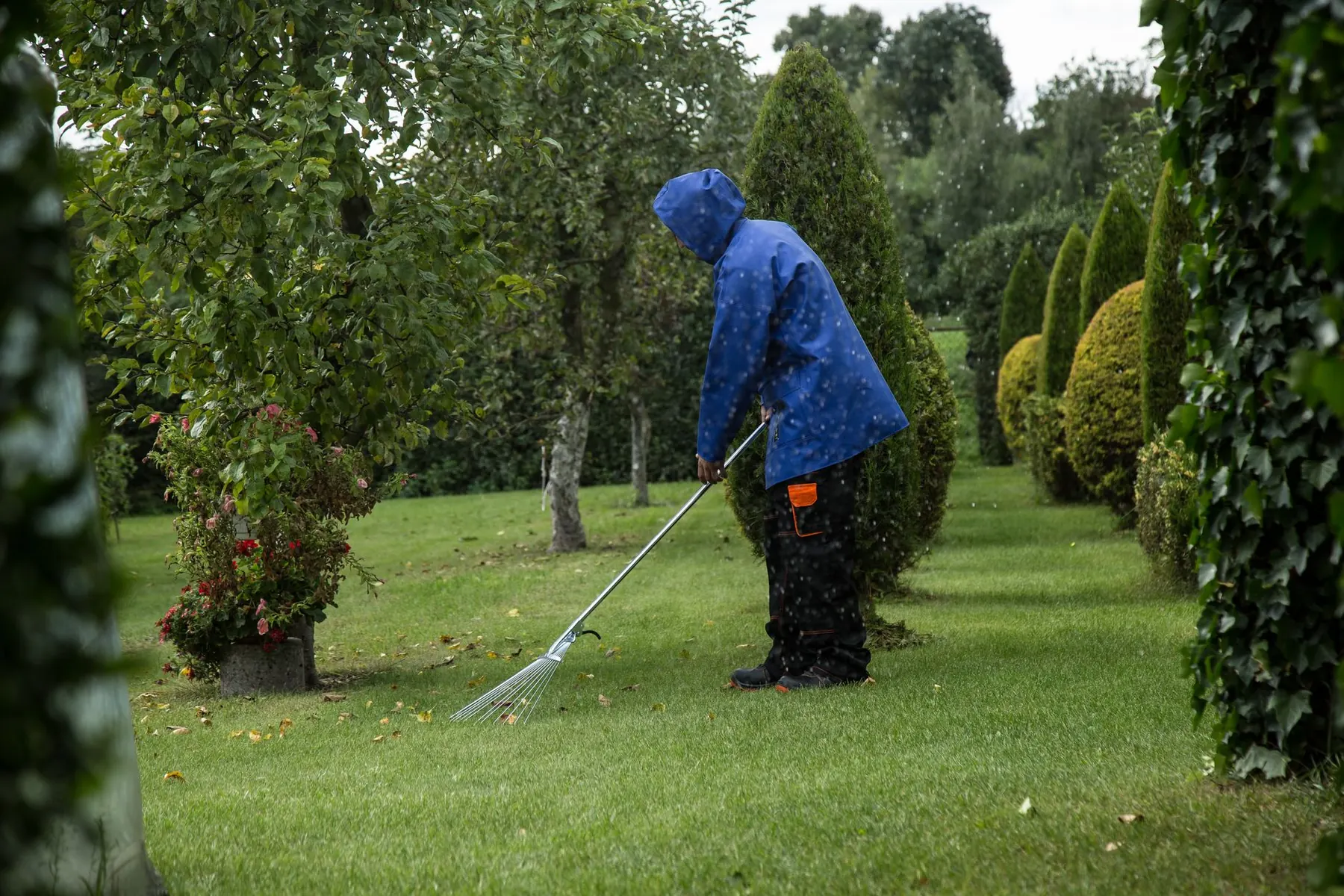
The best time for landscape restoration in New Orleans depends on the job. Late winter suits cleanup and pruning summer-flowering shrubs, new sod goes down best from April to October, and fall and early winter are the strongest seasons for planting trees and shrubs. An overgrown yard can be cleared in any month.
Summer-flowering shrubs can be pruned in late winter, while still dormant.
The LSU AgCenter window for laying new sod opens in April.
New sod still fits, if watered closely for the first two weeks.
Roots grow actively in fall and early winter, so new plantings settle in before summer.
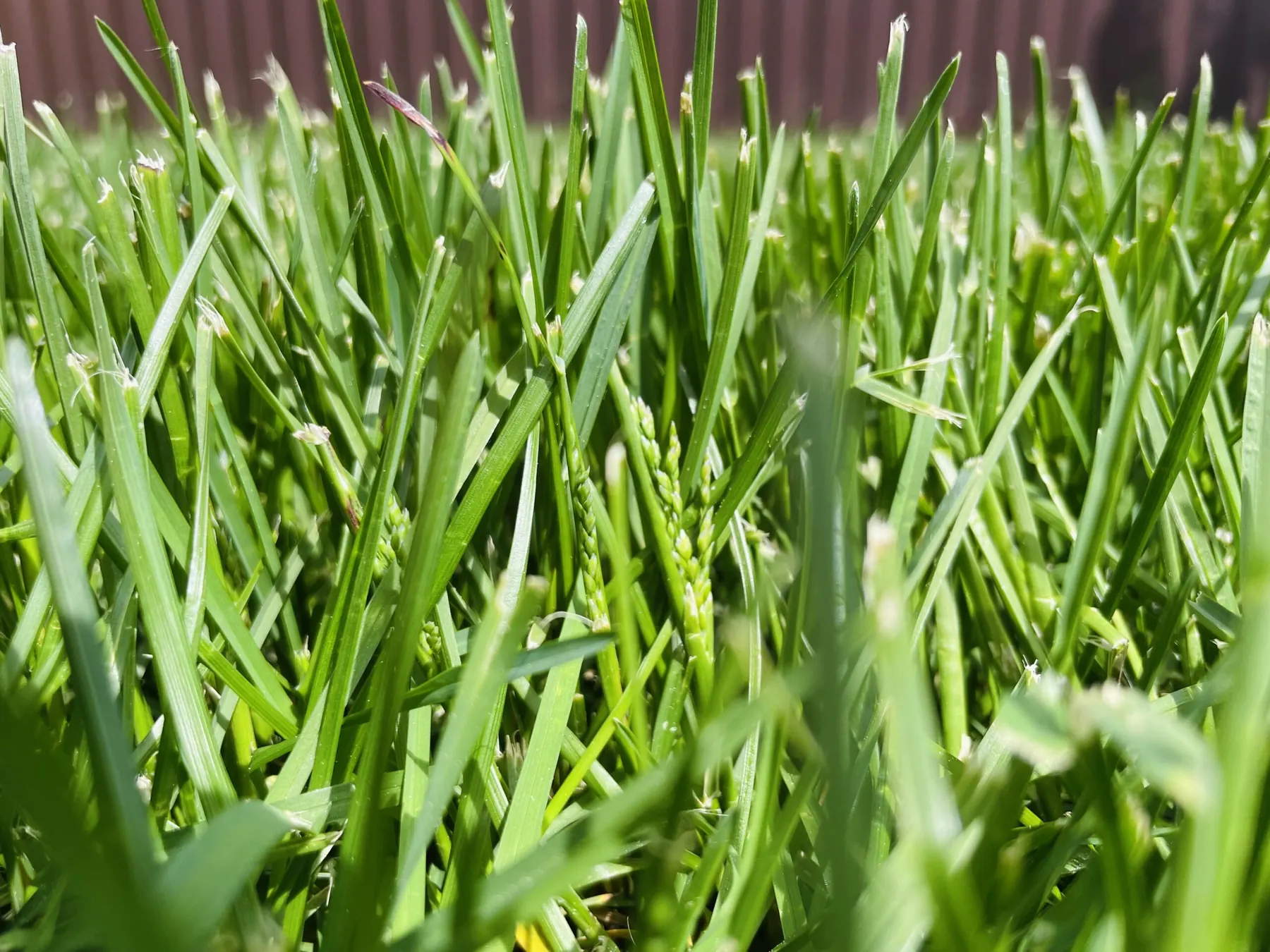
Cost depends on the size of the project, the materials involved, and the scope of work. We quote after a free, no-obligation look at the property.
Get Free EstimatesBefore landscape restoration in New Orleans, decide three things: which parts of the yard you want to keep, what you think caused the decline, and how the restored yard will be cared for afterward. Settling those first keeps the estimate accurate and stops the same problems from returning a year later.
Point out the trees, shrubs, and plants that matter to you, so we work around them.
Note where water stands after rain and which areas stay in shade.
Plan for regular lawn cutting, weed cutting, and fresh mulching so the yard stays restored.
Our customers mention the same things again and again: prompt, courteous crews, detailed cuts with a thorough cleanup afterward, fair pricing, and fast replies, including a callback within 24 hours on an overgrown lawn. Here is what a few of them shared with us.
The lawn care service I received from start to finish was great. The staff are always prompt and courteous, the prices can't be beat and my yard looks amazing, all thanks to Big Easy Lawn Care!
Big Easy Lawn Care is great! I called them up to take care of an overgrown lawn, and they were able to get back with me within 24 hours. Their pricing was very reasonable as well. We'll be using this company from now on for our lawn care needs.
The guys at Big Easy Lawn Care did an excellent job. They did a very detailed cut and cleaned up thoroughly after. I am so happy with the results! My lawn looks better than ever before, thanks to them!
Landscape restoration in New Orleans pairs with the rest of our landscaping and yard work: landscape building when a yard needs a fresh start, hardscape for paving and patios, outdoor living spaces, clean up and hauling for heavy debris, and lawn and yard maintenance to keep the restored yard healthy.
Start by picking up debris and marking anything worth keeping, then cut tall grass down in stages rather than all at once, removing no more than a third of the blade per cut. Trim back overgrown shrubs and weeds along fences and beds, and haul the material away so the lawn underneath can recover.
Work from the outside in. Clear leaves, twigs, and dead plant material first, then judge what is still alive: the grass type, the extent of weeds and bare patches, and any shrubs worth saving. Once you can see the ground, fix drainage and compaction before repairing the lawn and replacing plants.
Begin with a soil test to check pH and nutrient levels, then fix the cause of the damage, such as compaction, poor drainage, or deep shade. LSU AgCenter notes that spots under 2 feet across usually fill in once the surrounding grass grows better, so new sod or seed is only needed where the turf cannot recover.
Identify the weeds first, because the right treatment depends on the type. Then thicken the turf with proper mowing, watering, and feeding, since a dense lawn crowds weeds out. In the New Orleans area, LSU AgCenter advises crabgrass preemergence control as early as late January.
You need a soil test to show pH and nutrient needs, the right grass for the sun or shade the yard gets, a sharp mower set to the correct height, and a plan for water. For bare areas, you also need sod or seed, plus a few weeks of close watering while new grass roots.
For new sod, LSU AgCenter advises watering three times a day for five to 10 minutes during the first couple of weeks, then every other day, then a couple of times a week. Keep off the new lawn for the first two weeks, and wait until it reaches at least 3 inches before mowing.
Start with what wore the landscape down. Walk the yard after a heavy rain to see where water stands, test the soil, and note which areas get shade or heavy foot traffic. Fixing drainage and soil first means the lawn and plants you restore afterward have conditions they can actually survive in.
The cost to restore a lawn in New Orleans depends on the size of the area, how much damage there is, and whether the turf can be repaired or needs new grass. The most accurate number comes from a free on-site estimate, which we provide with no obligation and a clear schedule.
Join our satisfied and happy customers. Get your free lawn care assessment today.