A Plan for the Site
We look at the space, soil, shade, and how you use the yard first.
At Big Easy Lawn Care, we provide landscape building and landscape installation in New Orleans for local homes and businesses. Every project is planned around our heat, humidity, and heavy Gulf rains, so drainage, irrigation, and lighting work is built to hold up season after season.
Landscape installation in New Orleans with us starts with a free on-site estimate and a plan built around the local climate and soil. From there, we build out the landscape, including drainage, irrigation, and lighting where the site needs them, and finish with a walkthrough of the completed work.
We look at the space, soil, shade, and how you use the yard first.
Drainage and irrigation are planned early, because standing water and dry spells both undo new plantings.
Each job is planned around New Orleans heat, humidity, and rain, so the results hold up season after season.
Every job goes to a fully insured professional who sees it through from the first visit to the final walkthrough.
We walk the finished landscape with you, backed by our satisfaction guarantee.
Manage service from your phone or browser, pay online, and book upkeep once the build is done.
We offer four types of landscape building in New Orleans: new landscape installation, irrigation and drainage work that keeps new plantings healthy, residential projects for homes of any size, and commercial projects for businesses and managed properties. Every one of them starts with a free, no-obligation estimate at the property.
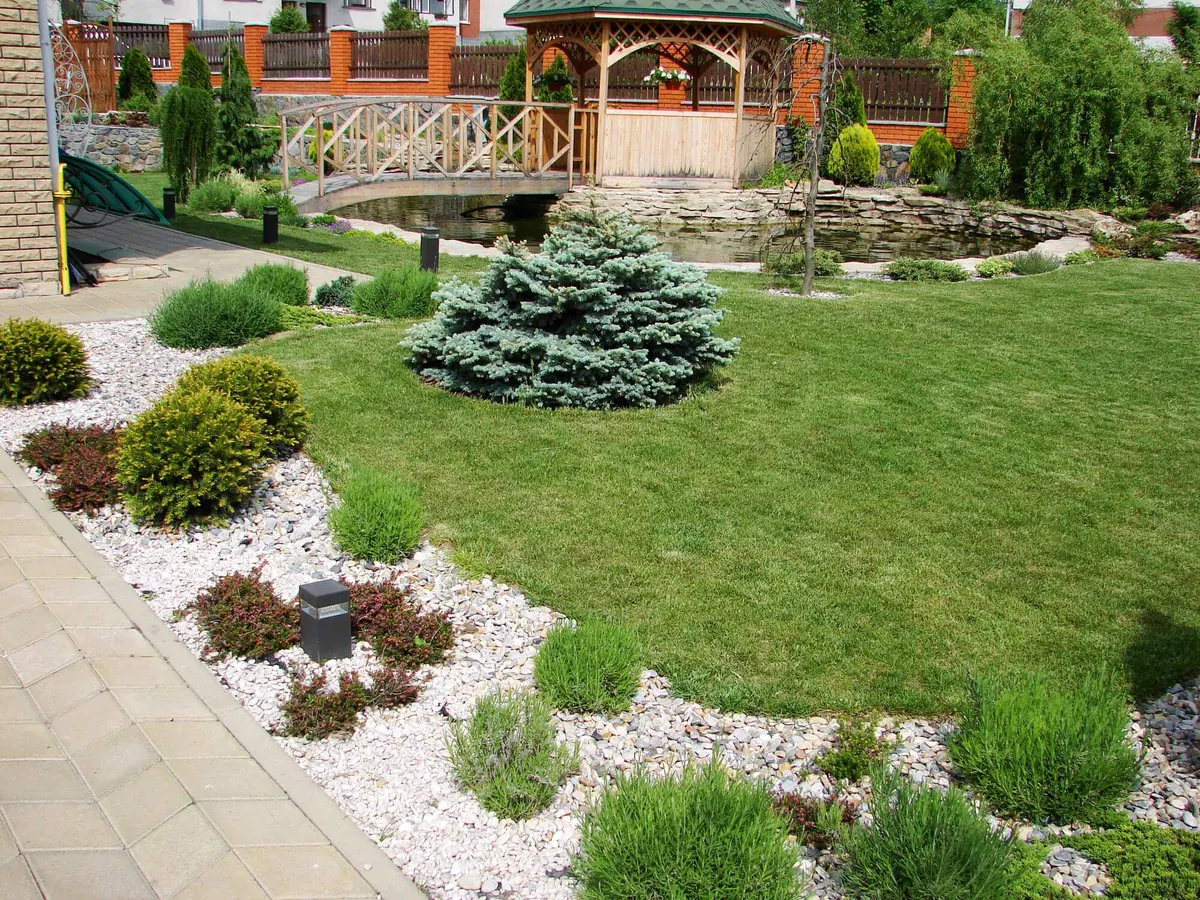
For a bare lot, a new home, or a yard you want to start over. We plan the layout around the site, then build it in the right order.
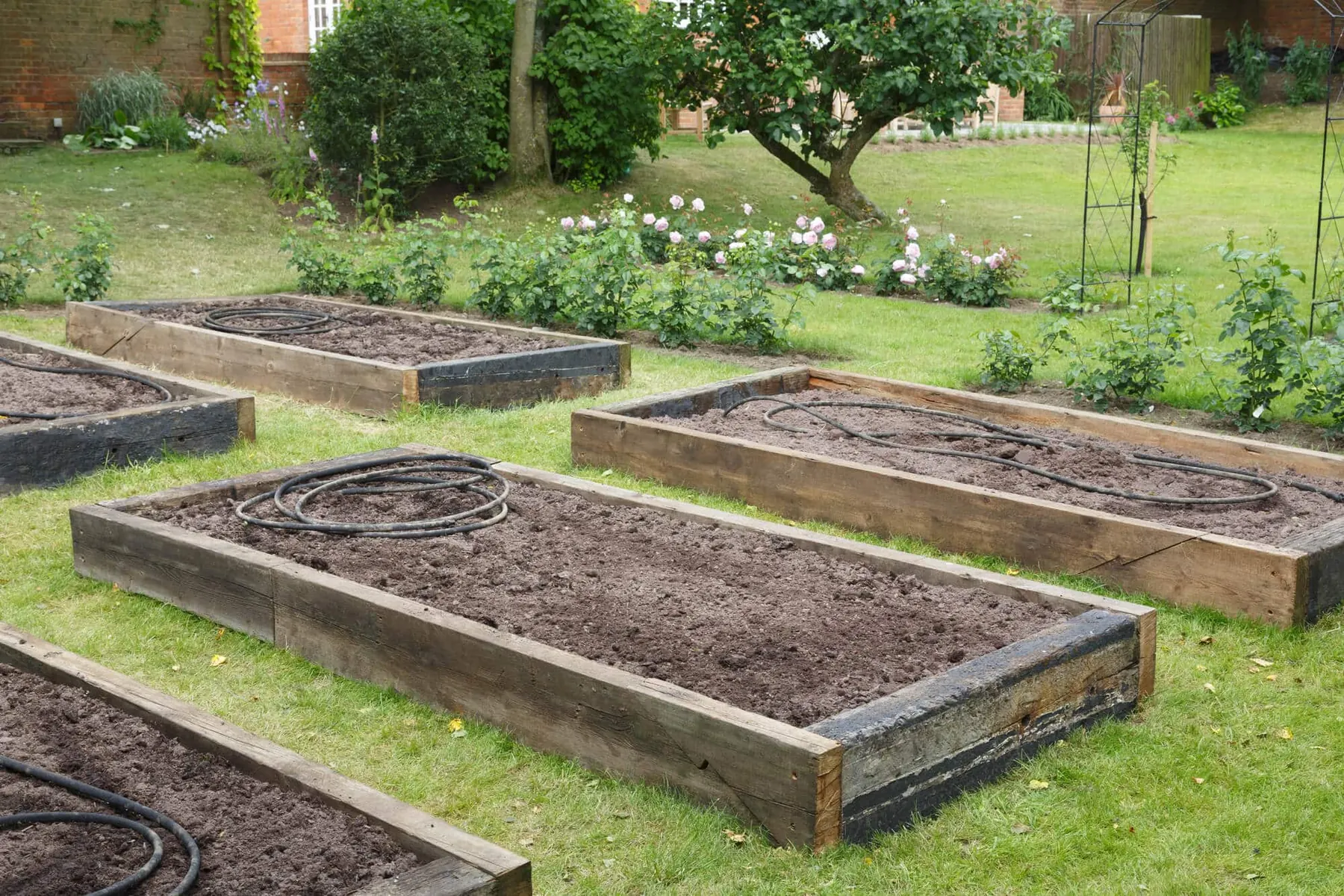
Water moved away from where it pools and delivered to where roots need it.
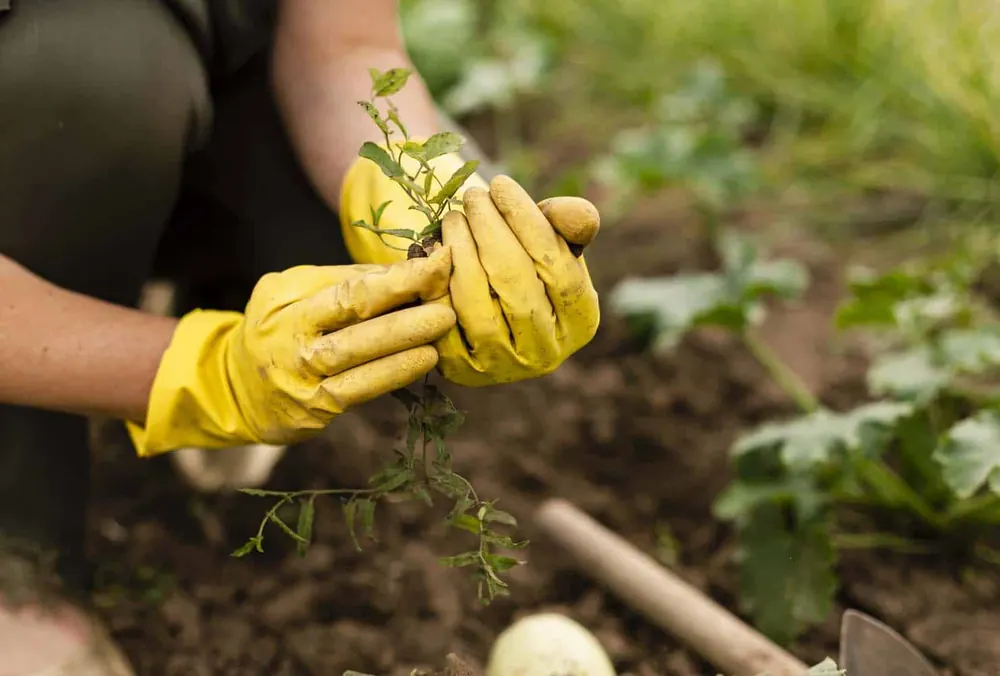
Front yards, backyards, and courtyards for homeowners, from tight shaded lots to wide open properties.
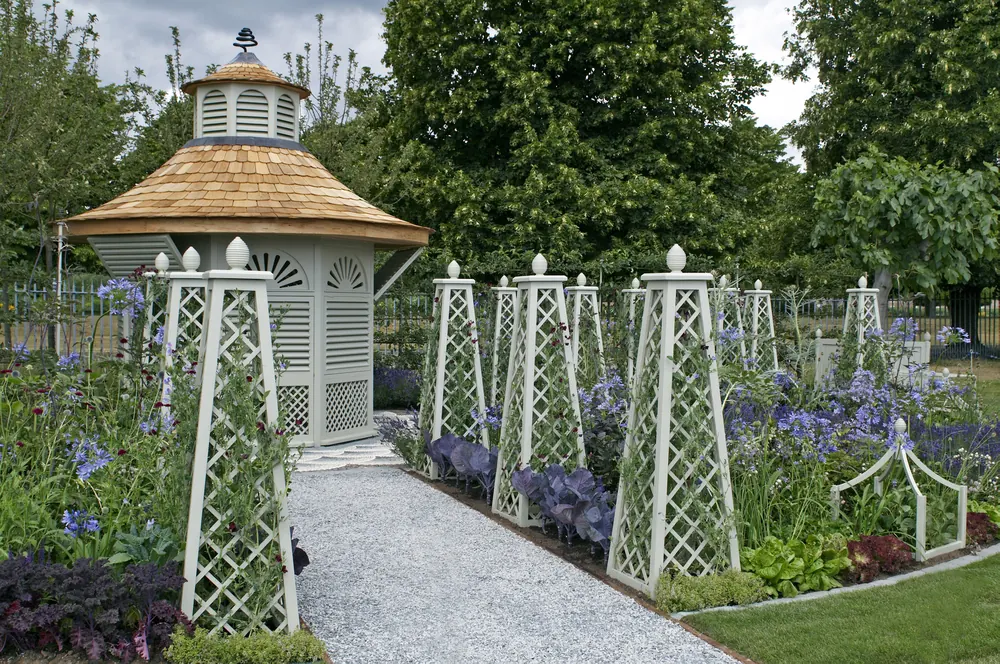
Businesses and managed properties that need grounds built to stay tidy all year.
Landscape installation works differently in New Orleans because intense heat, high humidity, and heavy Gulf rains test every outdoor project, and many local soils drain slowly. LSU AgCenter puts improving internal drainage first when preparing beds, so a new landscape here is planned around water before plants are chosen.
A new landscape installation in New Orleans usually comes down to drainage that moves heavy rain away, irrigation that waters deeply instead of often, and lighting for paths and features after dark. LSU AgCenter adds planting beds raised above wet soil, which it calls almost essential for establishing landscape plants on poorly drained ground.
First priority
LSU AgCenter names internal drainage the first priority in bed preparation. French drains carry water away from poorly drained planting sites.
6 to 8 in raised
On poorly drained ground, LSU AgCenter recommends raised beds at least 6 to 8 inches deep, or a 1 foot mound for a single tree or shrub.
Deep, weekly
In dry spells, new trees and shrubs should be watered deeply about once a week, ideally in the morning or evening.
12 volt
LSU AgCenter notes most home landscape lights run at 12 volts through a transformer, with path lights and well lights for walks and beds.
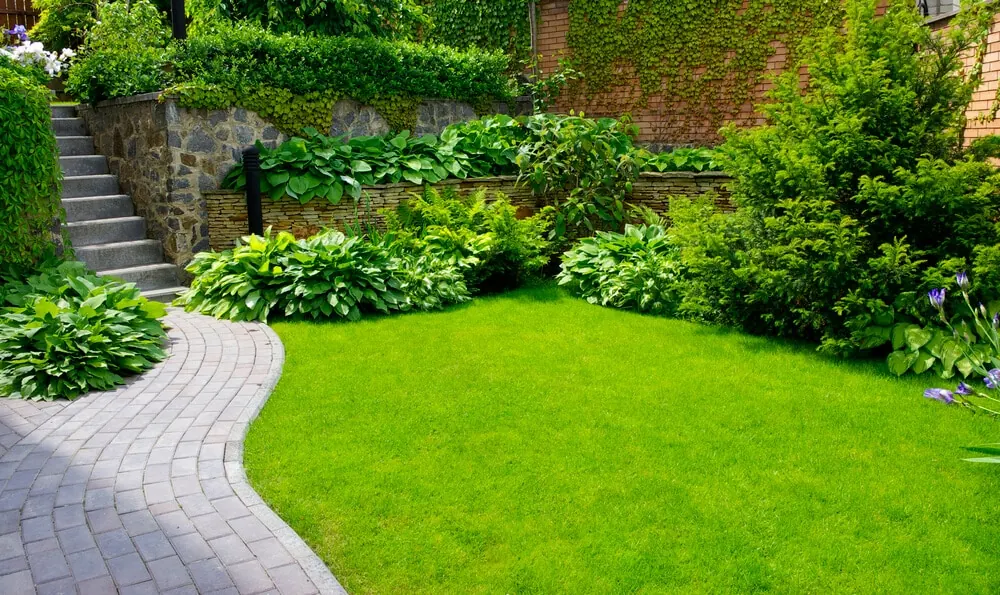
Bed, watering, and lighting guidance follows LSU AgCenter. Well-prepared, mulched beds hold their soil in heavy rain.
Our New Orleans landscape building process works in three steps. We visit the property and give you a free, no-obligation estimate; a fully insured professional builds the landscape around the site's soil, water, and light; and we walk the finished work with you before handing over care.
We look at the size of the space, the soil, shade, drainage, and access, then give you a clear quote and scope.
The landscape is built around the plan, with drainage and beds sorted out early so later work sits on solid ground.
We review the finished landscape with you and explain how to water it while the new plants settle in.
The best time for landscape installation in New Orleans is fall, from October through mid-December, according to LSU AgCenter. Roots grow through our mild winters while tops rest, so new trees and shrubs are established before summer heat arrives. Spring and summer projects work too, with closer watering.
Cooler weather and active root growth give new plants a head start.
Tops are dormant, but roots keep growing in a mild Louisiana winter.
New plants have less time to root before summer heat.
Heat stresses new plantings, so they need a deep watering about once a week in dry spells.
Cost depends on the size of the project, the materials involved, and the scope of work. We quote after a free, no-obligation look at the property.
Get Free EstimatesBefore a New Orleans landscape installation starts, decide three things: how you want to use the space, where rain currently stands or runs off, and who will keep the new landscape up once it is built. Settling those first makes the estimate accurate and keeps the plan matched to the property.
Play space, entertaining, or curb appeal each call for a different layout.
Watch the yard after a heavy rain and note any spots where water stands.
Plan for lawn and yard maintenance, fresh mulching, and regular trimming after the build.
Our customers mention the same things again and again: prompt, courteous crews, detailed cuts with a thorough cleanup afterward, fair pricing, and fast replies, including a callback within 24 hours on an overgrown lawn. Here is what a few of them shared with us.
The lawn care service I received from start to finish was great. The staff are always prompt and courteous, the prices can't be beat and my yard looks amazing, all thanks to Big Easy Lawn Care!
Big Easy Lawn Care is great! I called them up to take care of an overgrown lawn, and they were able to get back with me within 24 hours. Their pricing was very reasonable as well. We'll be using this company from now on for our lawn care needs.
The guys at Big Easy Lawn Care did an excellent job. They did a very detailed cut and cleaned up thoroughly after. I am so happy with the results! My lawn looks better than ever before, thanks to them!
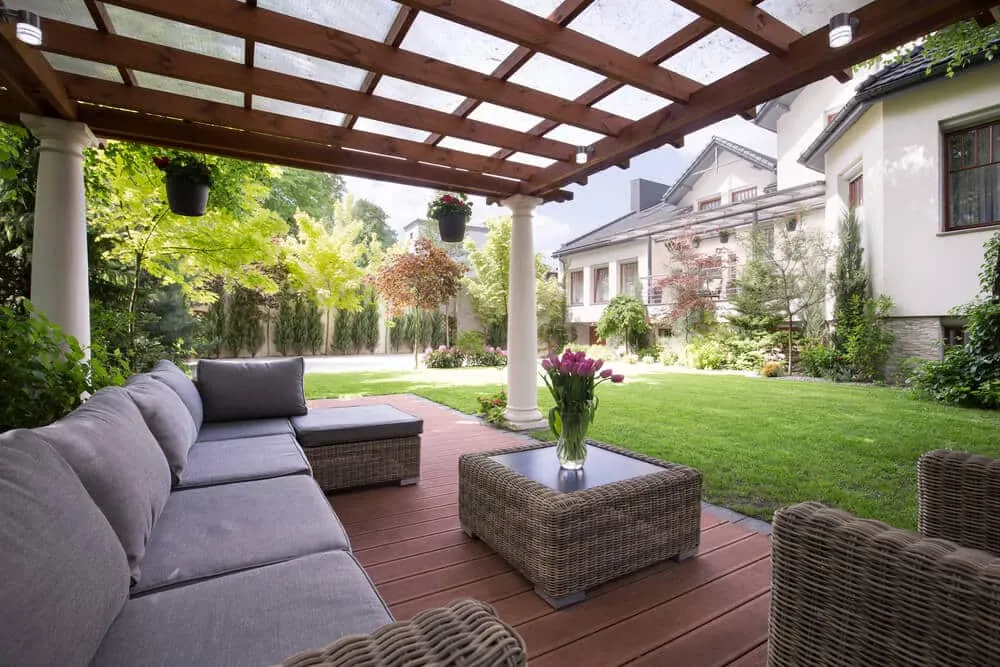
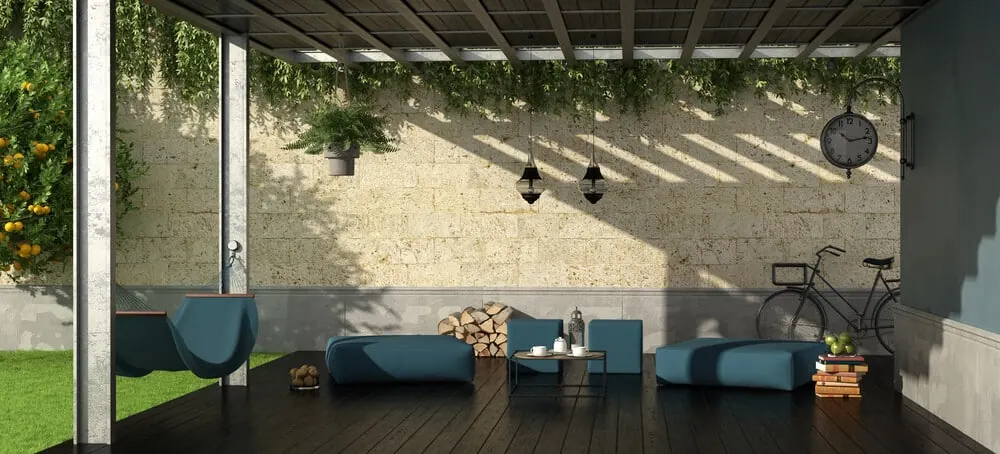
Landscape building in New Orleans pairs with the rest of our landscaping and outdoor work: landscape restoration for a yard that needs reviving, hardscape for paving and patios, outdoor living with pergolas and decks, and lawn and yard maintenance to keep the finished landscape in shape all year.
Landscape installation is the work of turning a plan into a finished yard, which can include drainage, irrigation, and lighting. In New Orleans, the job also means planning for heat, humidity, and heavy rain so the new landscape holds up season after season. LSU AgCenter advises making internal drainage the first priority when preparing planting beds.
The cost to landscape a yard in New Orleans depends on the size of the project, the materials involved, and the scope of work, such as whether drainage, irrigation, or lighting is part of it. The most accurate number comes from a free on-site estimate, which we provide with no obligation.
Start by clearing weeds and debris and watching where rain stands, since LSU AgCenter puts internal drainage first. A soil test shows pH and nutrients, and most Louisiana ornamentals do best at a pH of 5.5 to 6.5. Where soil stays wet, raise beds at least 6 to 8 inches or plant on a mound.
New plants need regular water until they are established, which LSU AgCenter says can take two growing seasons. During extended dry spells, water newly planted trees and shrubs deeply about once a week rather than lightly every day, and water in the morning or evening, when it is cooler than midday.
How long landscape installation takes depends on the size of the property and the scope of work, such as whether drainage, irrigation, or lighting is part of the job. We look at the site during the free on-site estimate and explain the scope before any work starts, so you know what is planned.
Begin with how the front yard drains and how people walk to the door, then lay out beds and a clear path before choosing plants. In New Orleans, pick plants for the sun or shade the yard actually gets, plant trees and shrubs in fall when possible, and finish the beds with mulch.
Start with the soil and the water before choosing plants. Have the soil tested, since the LSU AgCenter lab reports pH and nutrients, and watch where rain stands around the new home. Then mix about 3 inches of new soil into heavy clay, raise beds where water sits, and plant trees and shrubs in fall.
Most home landscape lighting runs at 12 volts, according to LSU AgCenter. A transformer steps standard 120 volt power down to 12 volts, then cable runs out to each fixture, such as path lights along walks or well lights set level with the ground so mowers can pass over them.
Join our satisfied and happy customers. Get your free lawn care assessment today.