Laid Out for the Site
Each bed is planned around the spot it sits in, our local climate, and the soil.
At Big Easy Lawn Care, we provide garden bed installation for homes and businesses across the greater New Orleans area. Each bed is planned around our local climate and soil, and we handle it from the first visit to the final walkthrough.
Garden bed installation in New Orleans with us starts with a free on-site estimate, then a bed planned around the spot, our climate, and the soil. A fully insured lawn professional handles the job from the first visit to the final walkthrough, on schedule and within budget.
Each bed is planned around the spot it sits in, our local climate, and the soil.
Heavy Gulf rain is part of the plan, and LSU AgCenter notes raised beds help landscape plants on poorly drained soil.
LSU AgCenter advises removing turf and weeds, then loosening the soil and working in organic matter before planting.
A fully insured lawn professional handles your bed from start to finish.
Our satisfaction guarantee stands behind every finished bed.
Book visits, follow your service, and pay online from your phone or web browser.
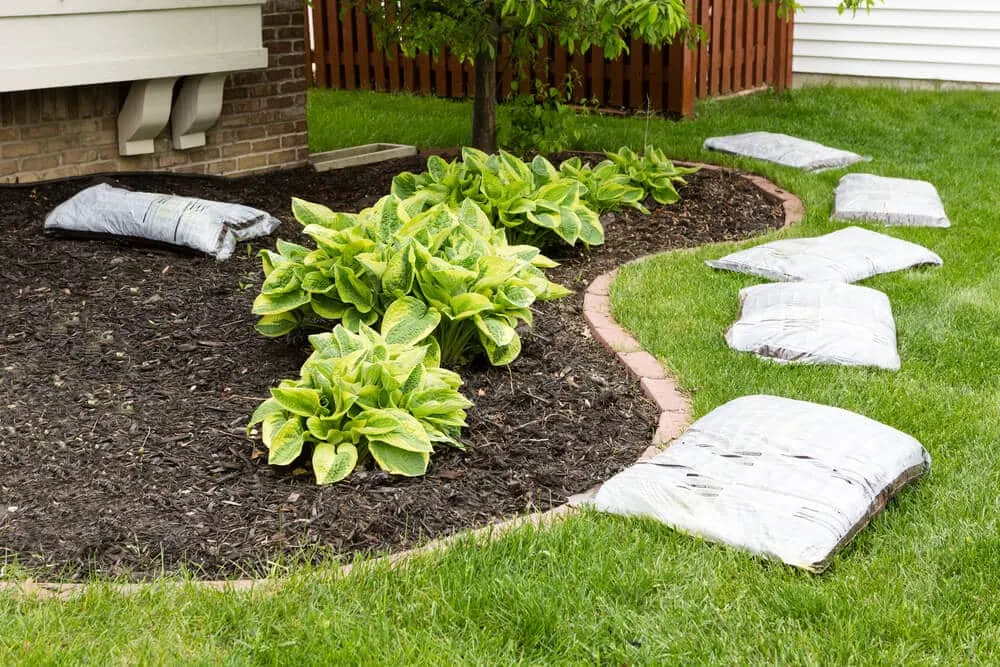
We install garden beds in New Orleans for homes and for businesses. LSU AgCenter also describes two common layouts worth weighing: border beds set along a wall, fence, or hedge, and island beds that sit in open lawn. Every bed starts with a free, no-obligation estimate.
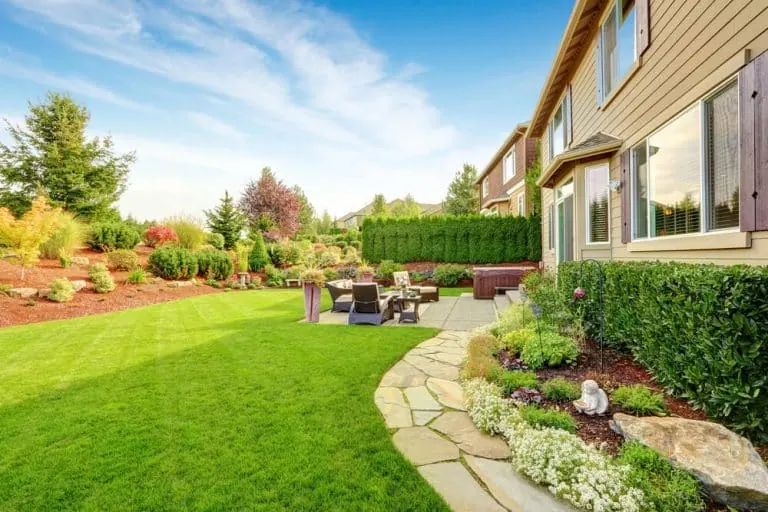
Garden beds for homes, planned around how you use the yard.
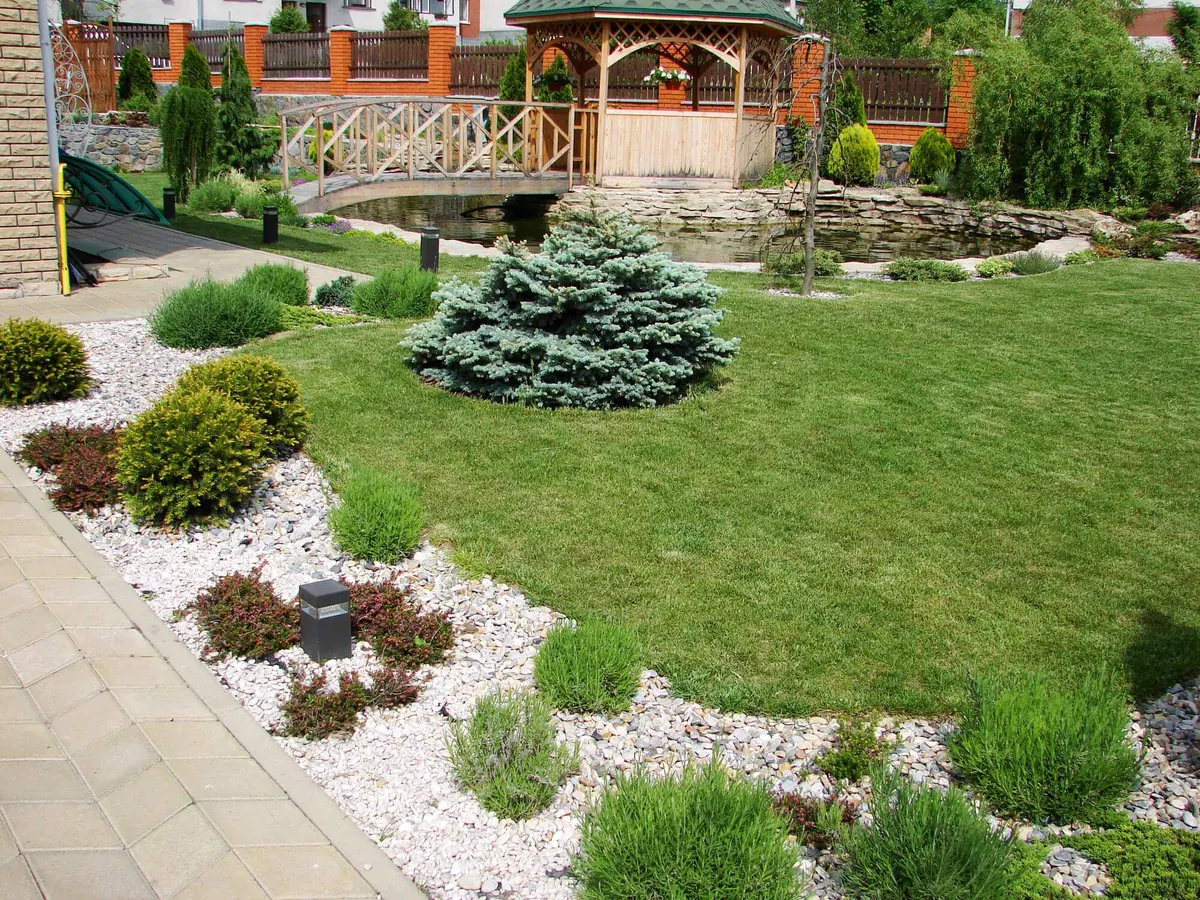
Garden beds for businesses, planned around the property and its upkeep.
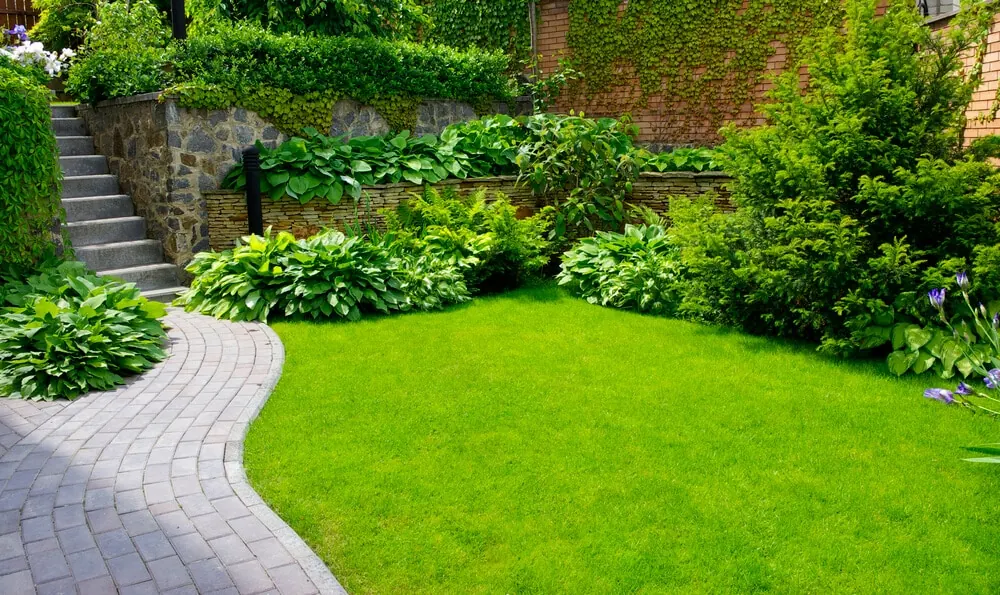
Beds along a wall, fence, or hedge. LSU AgCenter suggests a little space behind them for air, light, and upkeep.
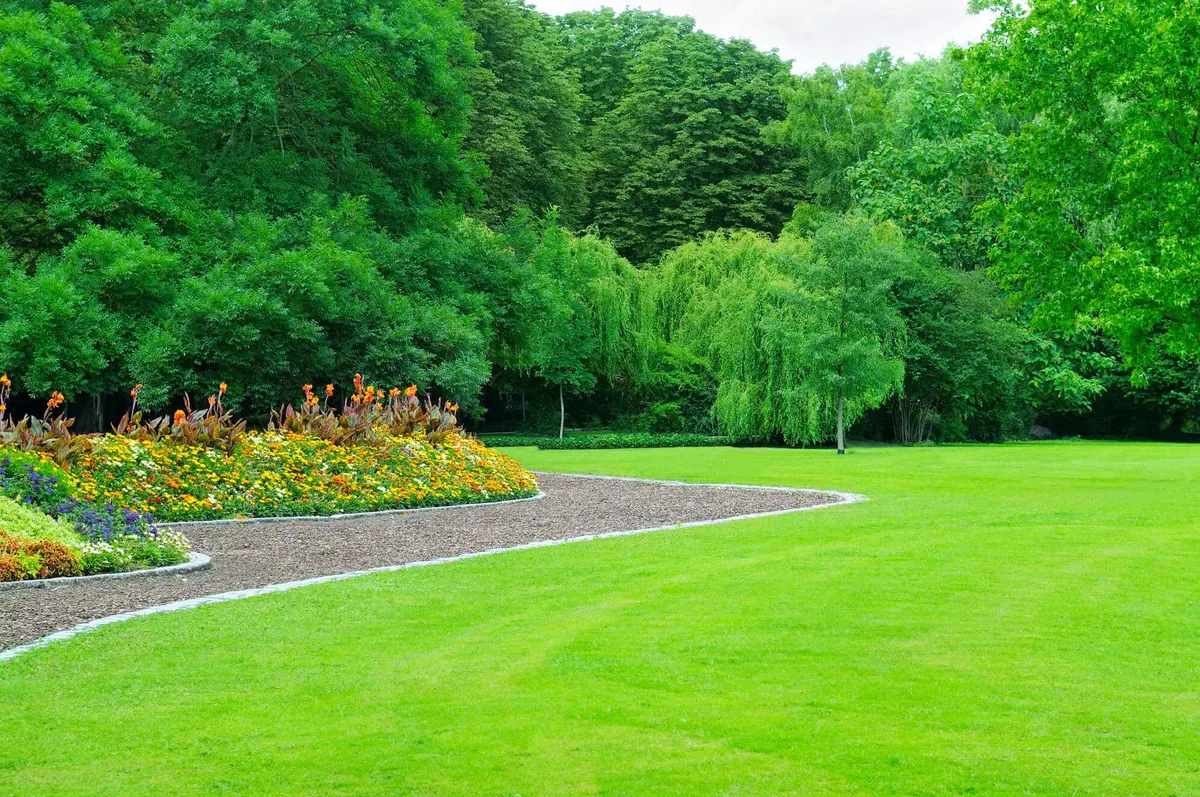
Beds set in open lawn and seen from every side. LSU AgCenter places the tallest plants toward the center.
Garden beds need good drainage in New Orleans because many soils in our area drain poorly after heavy rain, and roots sitting in wet soil struggle to establish. LSU AgCenter calls proper soil pH and internal drainage very important in a landscape bed, so we plan each bed around our climate and soil.
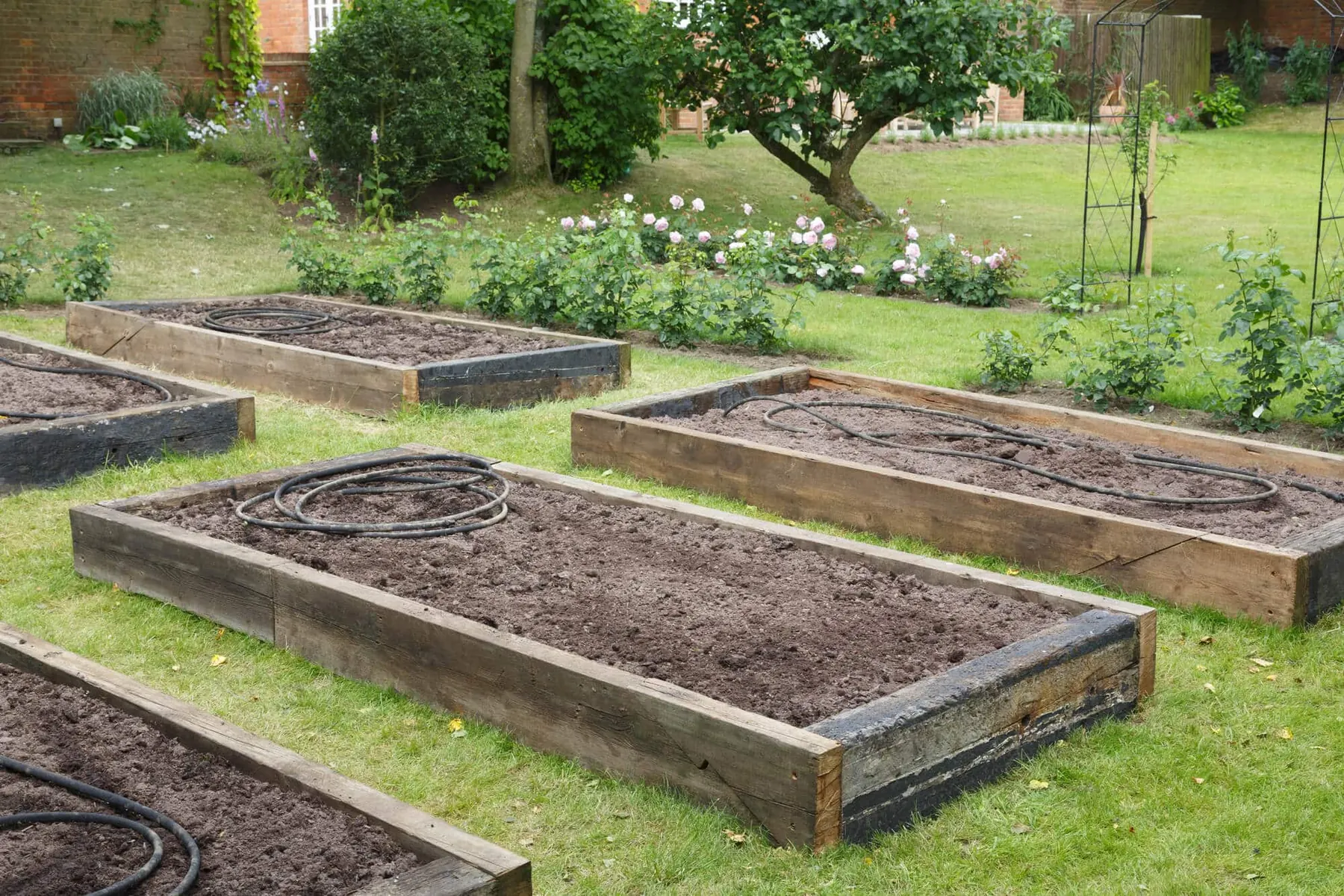
In New Orleans, a raised garden bed is the safer choice wherever soil stays wet after rain, and LSU AgCenter recommends building one at least 12 inches deep. On well-drained ground, an in-ground bed works well once the turf is removed, the soil is loosened, and organic matter is worked in.
Tilled in place
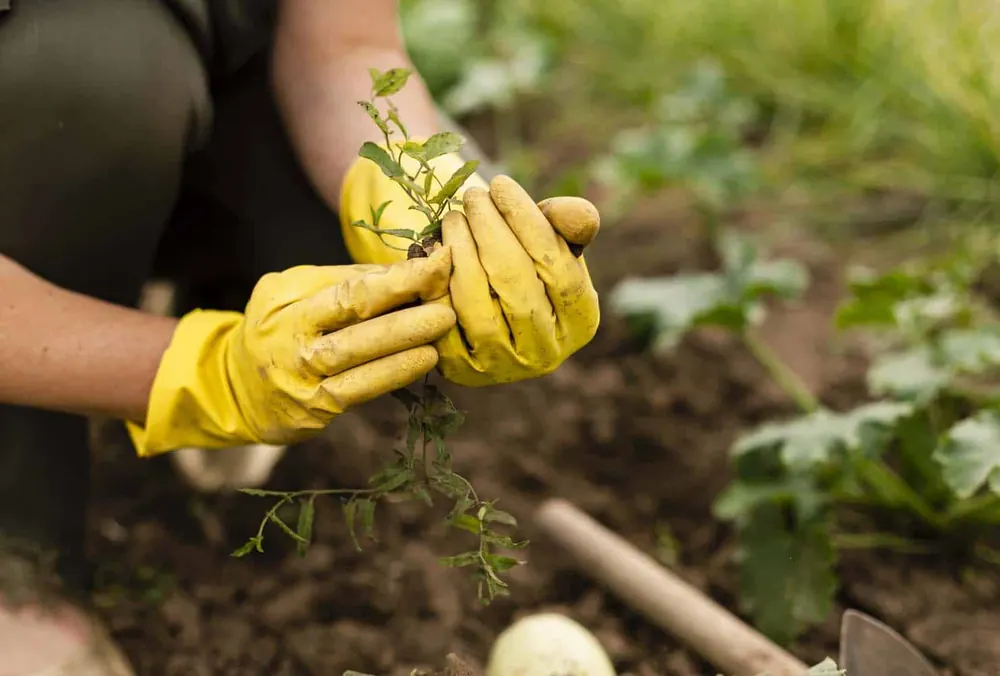
Grass and weeds come out, the soil is loosened, and about 2 inches of compost or other organic matter is worked in.
12 in or more
Built up and enclosed with brick, concrete edging, or wood, it lifts roots above soil that holds water after storms.
8 to 12 in
For vegetables, LSU AgCenter describes rows raised 8 to 12 inches above the walkways so they drain in heavy rain.
About 1 ft
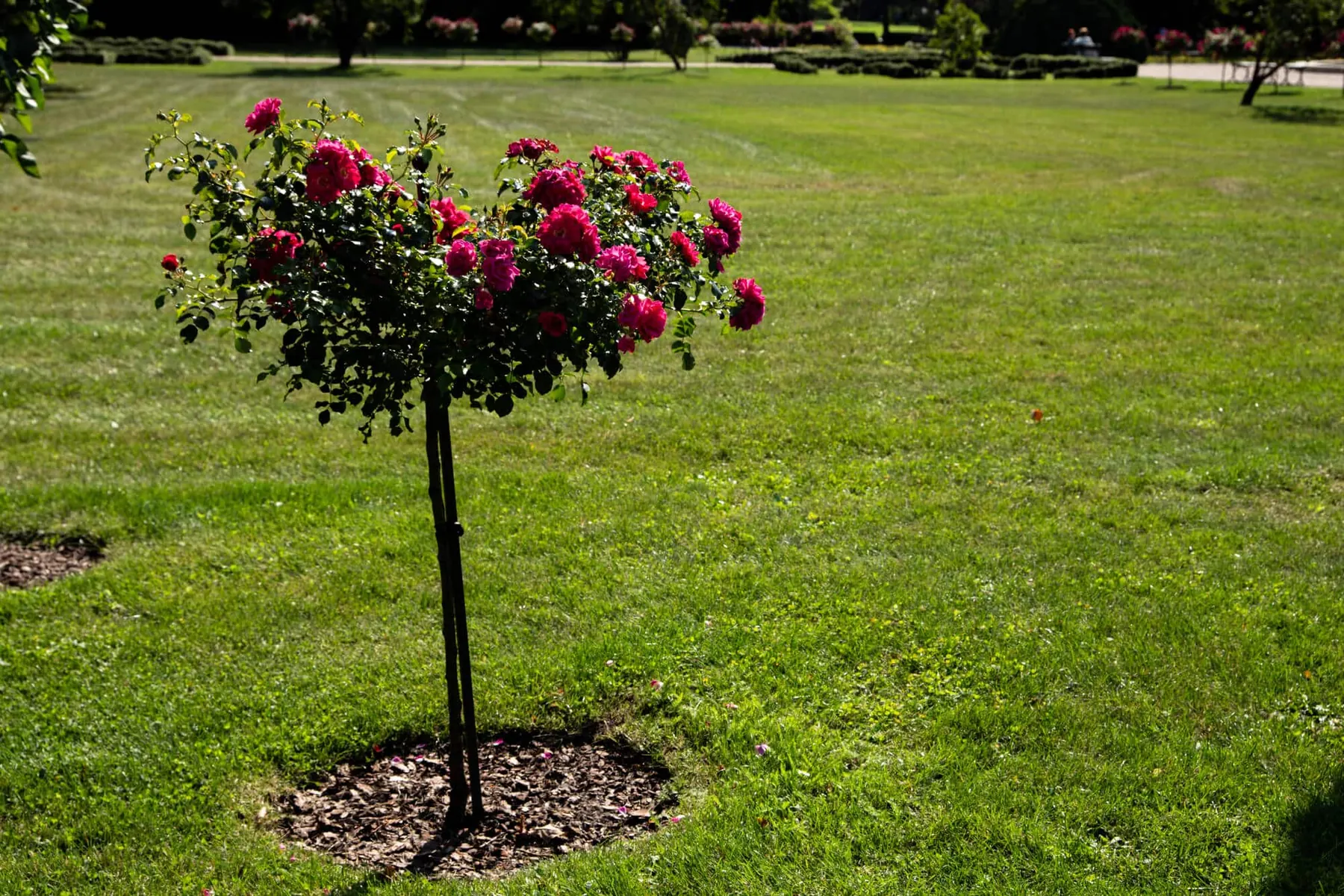
A gently sloped mound for a single tree or shrub, doing the job of a raised bed for one plant.
Bed depths and preparation follow LSU AgCenter guidance. For ornamental beds, keep the width about twice the height of the tallest plant.
We install a garden bed in New Orleans in three steps. We visit the property and give you a free, no-obligation quote; a fully insured lawn professional installs the bed as planned; and we walk the finished bed with you, with any follow-up visits managed from your phone or web browser.
We look at the space, talk through what you want, and give you a clear quote and schedule before we start.
A fully insured lawn professional installs the bed as planned, around our local climate and soil.
We go over the finished bed with you at the final walkthrough.
Fall is the best time to install a garden bed in New Orleans, since LSU AgCenter names fall the ideal time to plant trees and shrubs. Beds can go in during any season, but those built in spring or summer need closer watering, because raised beds dry out quickly in a hot Louisiana summer.
LSU AgCenter names fall the ideal time to plant trees and shrubs.
A slower season to settle bed lines, edging, and soil before spring.
New plants have a single season to root before the heat arrives.
Raised beds dry quickly in the heat, so they need water more often.
Cost depends on bed size, raised or in-ground construction, the edging, and how much clearing the area needs. You get a clear quote after a free, no-obligation visit.
Get Free EstimatesBefore garden bed installation in New Orleans, decide three things: where the bed should go based on sun and drainage, whether it will hold flowers, shrubs, or vegetables, and who will keep it weeded and mulched once it is planted. Settling those first keeps the quote accurate and the bed suited to the spot.
LSU AgCenter advises at least 6 hours of direct sun for vegetables, and says low spots that hold water after rain are poor sites.
Flowers, shrubs, and vegetables call for different bed depths and soil mixes.
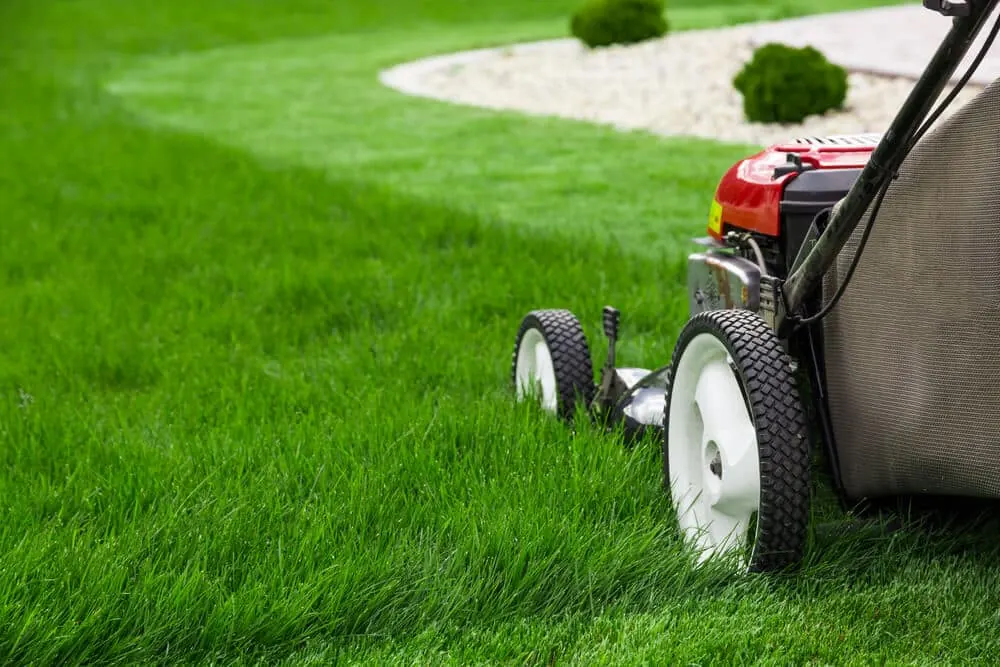
Plan regular lawn mulching and weed cutting so the new bed stays clean after it is installed.
Our customers mention the same things again and again: prompt, courteous crews, detailed cuts with a thorough cleanup afterward, fair pricing, and fast replies, including a callback within 24 hours on an overgrown lawn. Here is what a few of them shared with us.
The lawn care service I received from start to finish was great. The staff are always prompt and courteous, the prices can't be beat and my yard looks amazing, all thanks to Big Easy Lawn Care!
Big Easy Lawn Care is great! I called them up to take care of an overgrown lawn, and they were able to get back with me within 24 hours. Their pricing was very reasonable as well. We'll be using this company from now on for our lawn care needs.
The guys at Big Easy Lawn Care did an excellent job. They did a very detailed cut and cleaned up thoroughly after. I am so happy with the results! My lawn looks better than ever before, thanks to them!
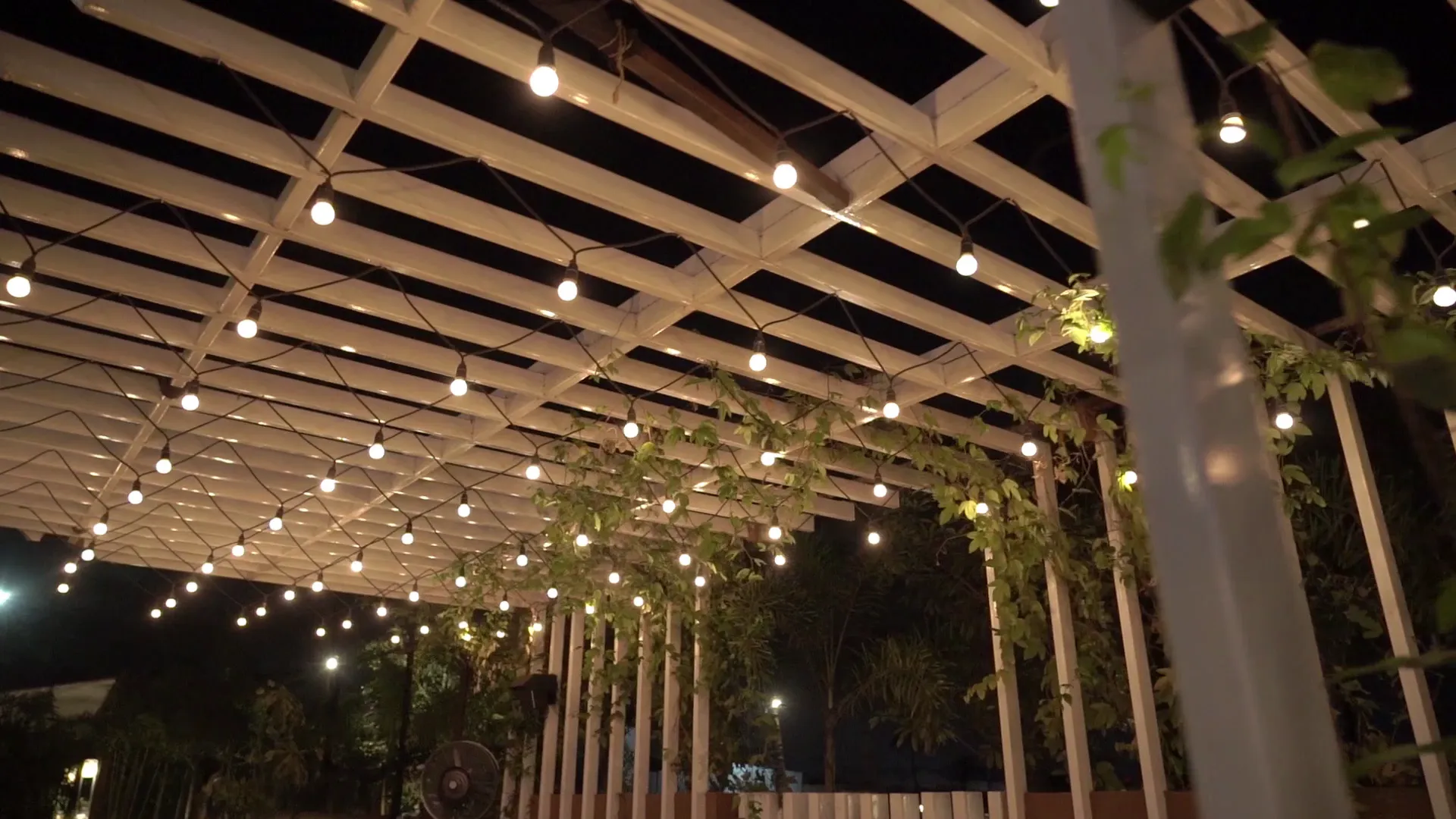
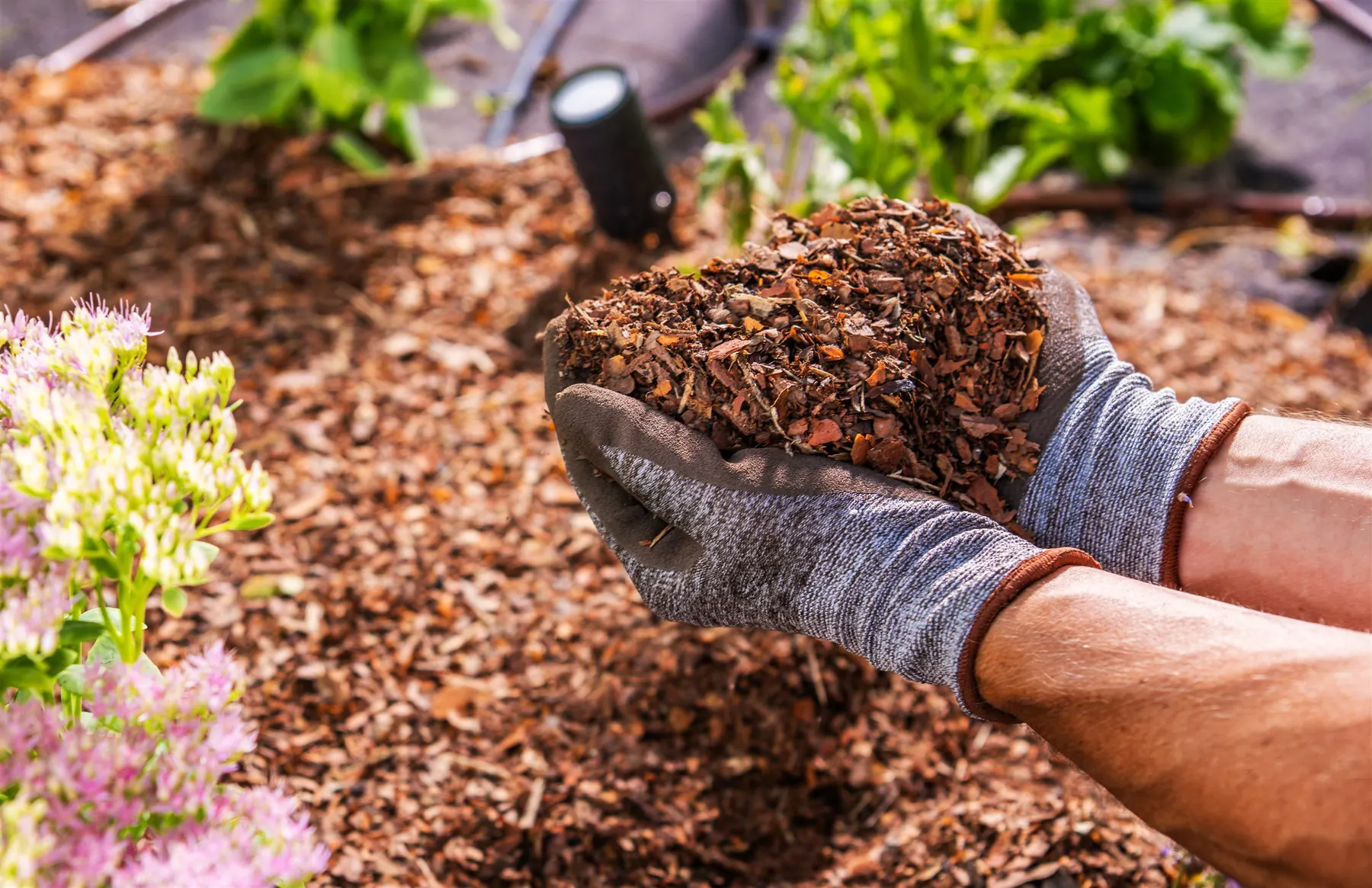
Garden bed installation in New Orleans pairs with the rest of our landscaping work: landscape building for a larger yard plan, irrigation to water new beds, drainage for ground that stays wet, lighting for paths and beds after dark, and mulching to finish and protect every bed.
Start by removing all existing grass and weeds, then till or fork the soil to loosen it. LSU AgCenter recommends spreading about 2 inches of organic matter, such as compost, peat moss, or rotted manure, and working it in. Add 2 to 3 inches of blended garden soil if the bed needs more height.
Clear the grass, then till the area about 8 inches deep. For vegetables, LSU AgCenter describes moving soil from the walkways up into rows raised 8 to 12 inches, then working in a 2- to 4-inch layer of organic matter. In New Orleans, that extra height helps the bed drain in heavy rain.
LSU AgCenter recommends making a raised landscape bed at least 12 inches deep where the ground drains poorly. It also describes 12-inch-high vegetable beds with sides of boards, cinder blocks, or similar materials. That depth gives roots room to grow above native soil that stays wet after heavy rain.
For vegetables, LSU AgCenter suggests an equal mix of sand, compost, and garden loam, or a bagged raised bed mix for small beds. Its raised bed guide calls for a loamy, well-drained vegetable blend at pH 6.0 to 7.0, while most ornamental beds do best at 5.5 to 6.5. Avoid too much bark, which can tie up nitrogen.
Clear the grass and weeds first, by hand or by smothering them with cardboard or newspaper, then rake the ground clean. LSU AgCenter suggests a layer of weed barrier fabric and cardboard inside the frame before the soil goes in, followed by the soil mix and a top layer of mulch.
Raised beds need water more often than in-ground beds, because LSU AgCenter notes they dry out quickly during hot Louisiana summers. The same LSU guidance recommends drip irrigation or soaker hoses to keep soil moisture consistent. In New Orleans, watch new beds most closely through the summer heat.
A broad edging strip keeps lawn grass from creeping into a bed. LSU AgCenter lists bricks laid flat, flagstone, a strip of bare ground, or a heavy layer of mulch such as wood chips or bark. A clean edge also gives the mower a clear line to follow.
A raised garden bed is a planting area built up above the surrounding ground, usually enclosed with wood, brick, or concrete block and filled with a prepared soil mix. LSU AgCenter notes raised beds warm up and dry out faster after rain, which makes them a practical choice where soil stays wet.
Join our satisfied and happy customers. Get your free lawn care assessment today.