A Free Consultation
We look at the yard first and give you a no-obligation quote, so the scope is clear before any work begins.
At Big Easy Lawn Care, we provide lawn service for homes and businesses across New Orleans, from regular mowing and trimming to cleanups, landscaping, and outdoor living projects. We are based on Magazine Street, so we plan every visit around the oak shade, summer storms, and fast-growing grass this city is known for.
Every lawn service visit in New Orleans comes with a fully insured lawn professional, work planned around your property after a free consultation, and a satisfaction guarantee. You can book a single visit or an ongoing program, for a home or a commercial property, and manage it all online.
We look at the yard first and give you a no-obligation quote, so the scope is clear before any work begins.
Each job is assigned to a fully insured lawn professional who stays with it until the yard is finished.
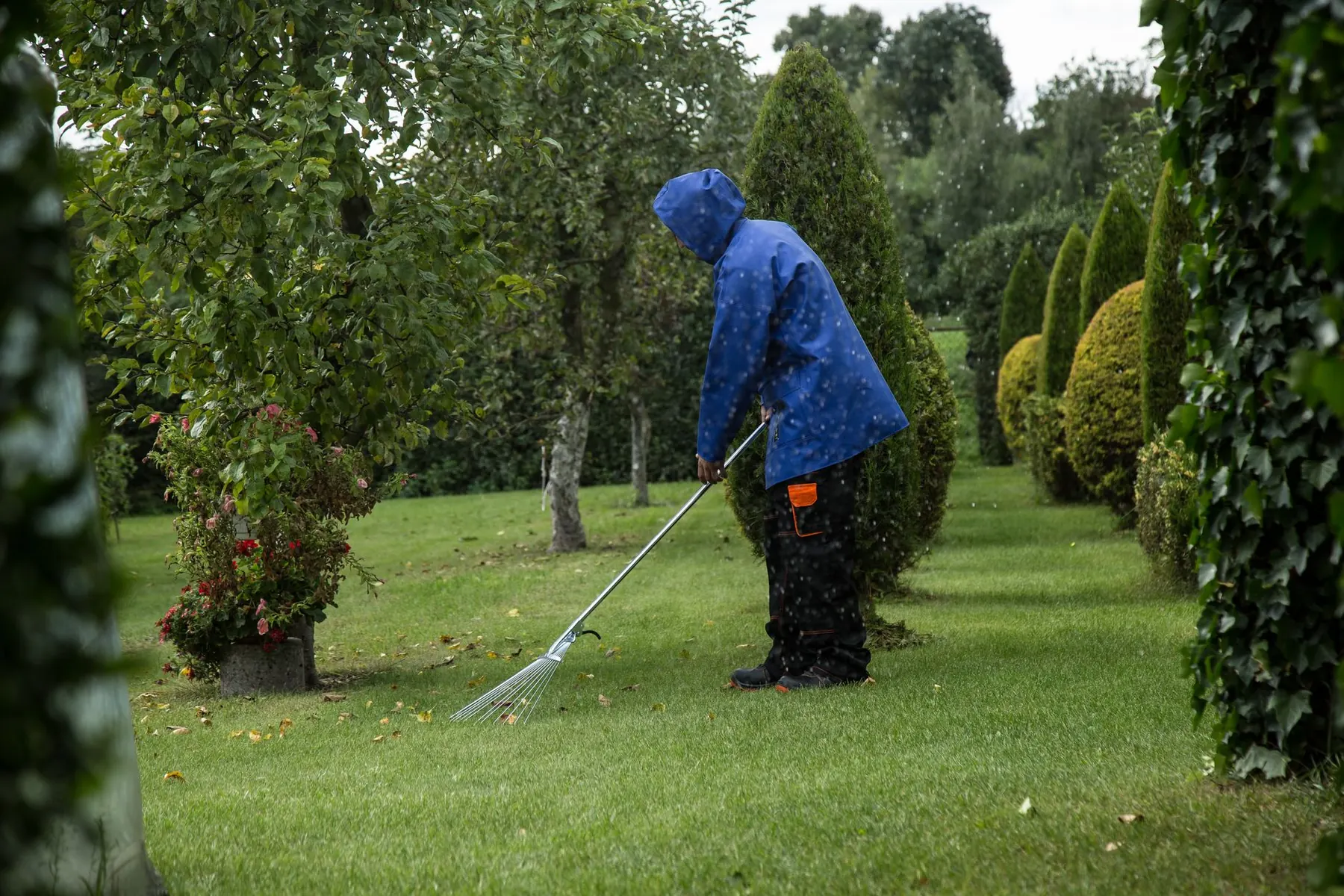
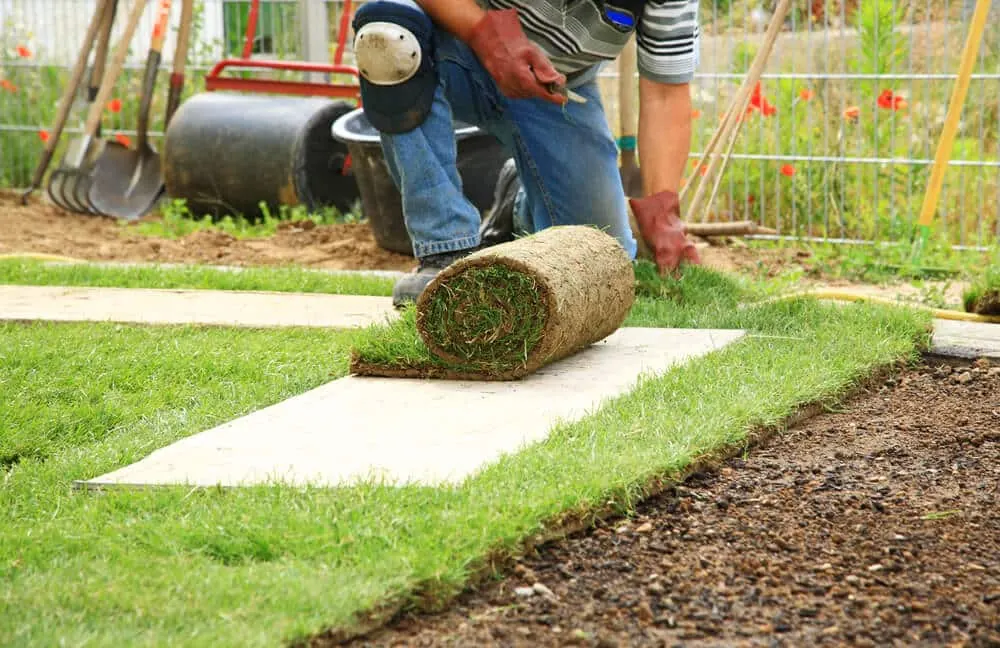
Choose one-time mowing and weed-eating, or an ongoing maintenance program with regular yard cleanups.
We take on residential yards and commercial properties, with plans sized to the site and how it gets used.
See your service, pay online, and reserve extra visits from your phone or web browser whenever you need them.
If a visit falls short, tell us and we will make it right. We would rather hear about a problem than leave it.
Homeowners hire a lawn service in New Orleans mostly because the yard grows faster than a free weekend allows. Summer heat and rain push grass and weeds hard, oak shade thins the turf, and storms leave debris behind, so a yard skipped for a few weeks quickly turns into a bigger job.
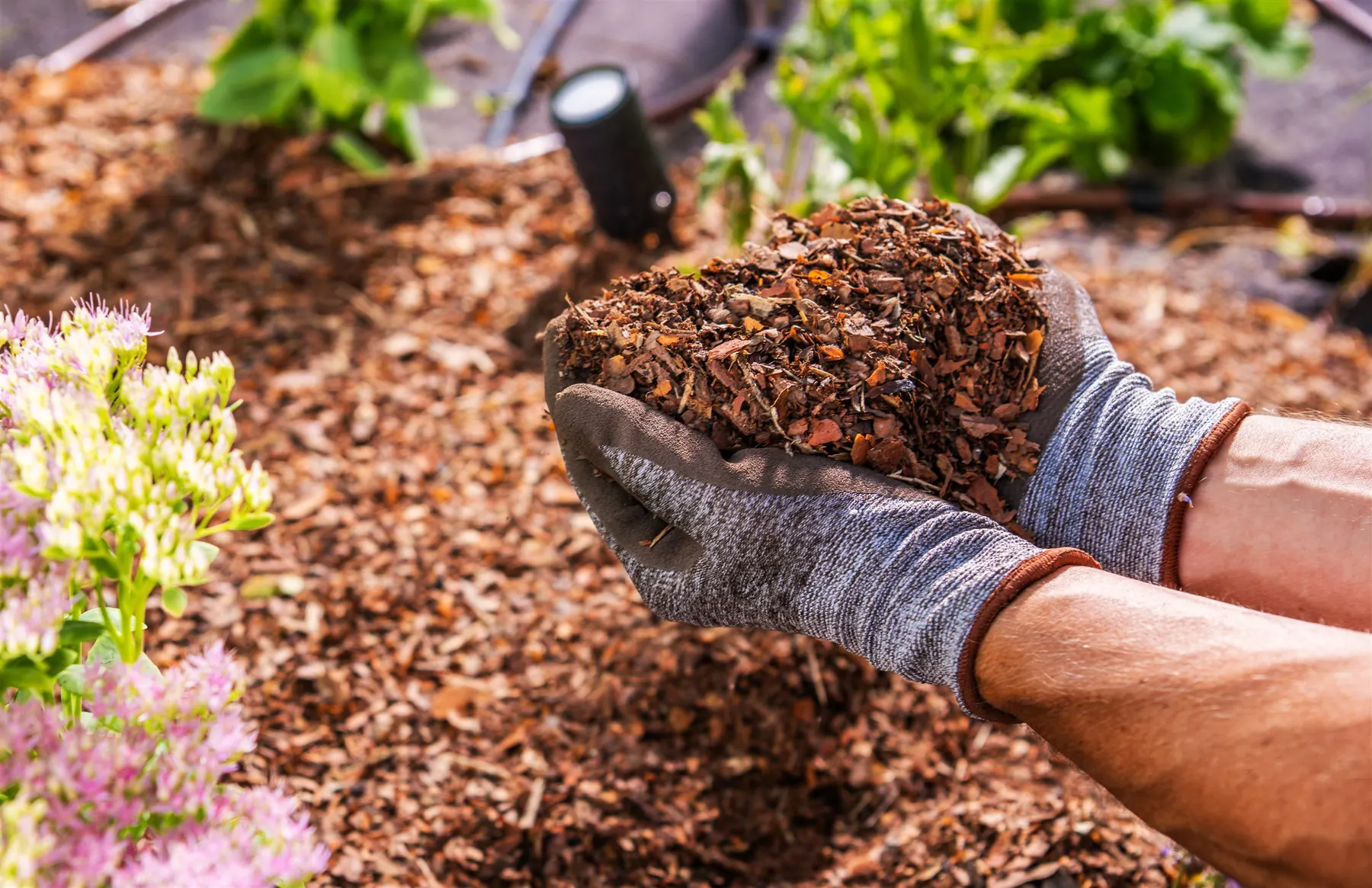
In New Orleans you can book three families of lawn and yard services from us: lawn and yard maintenance, such as mowing, trimming, mulching, and cleanups; landscaping, from building new beds to restoring a tired yard; and outdoor living, including pergolas and decks. Each one starts with a free estimate.
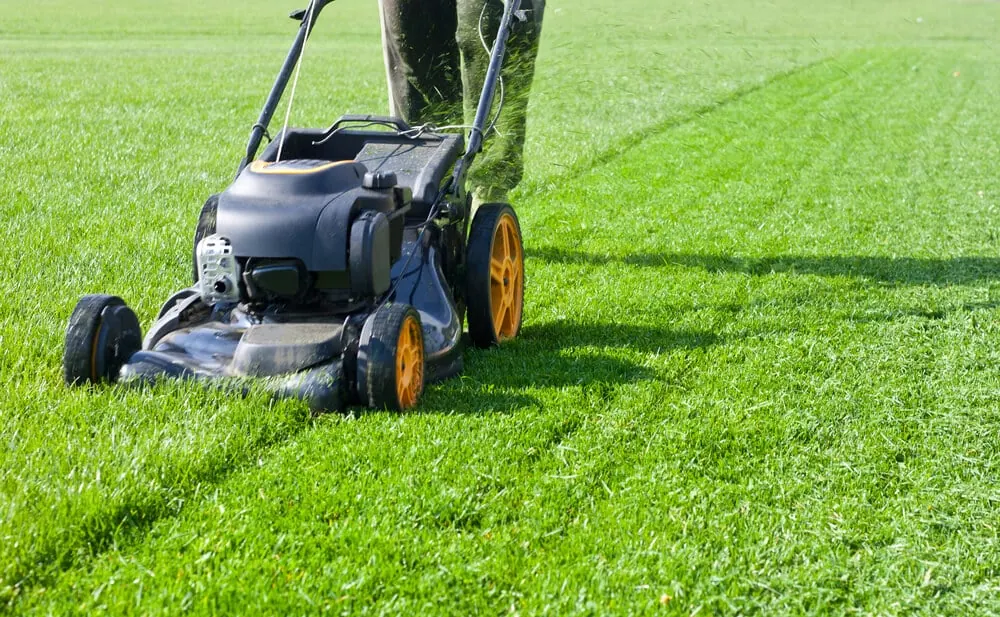
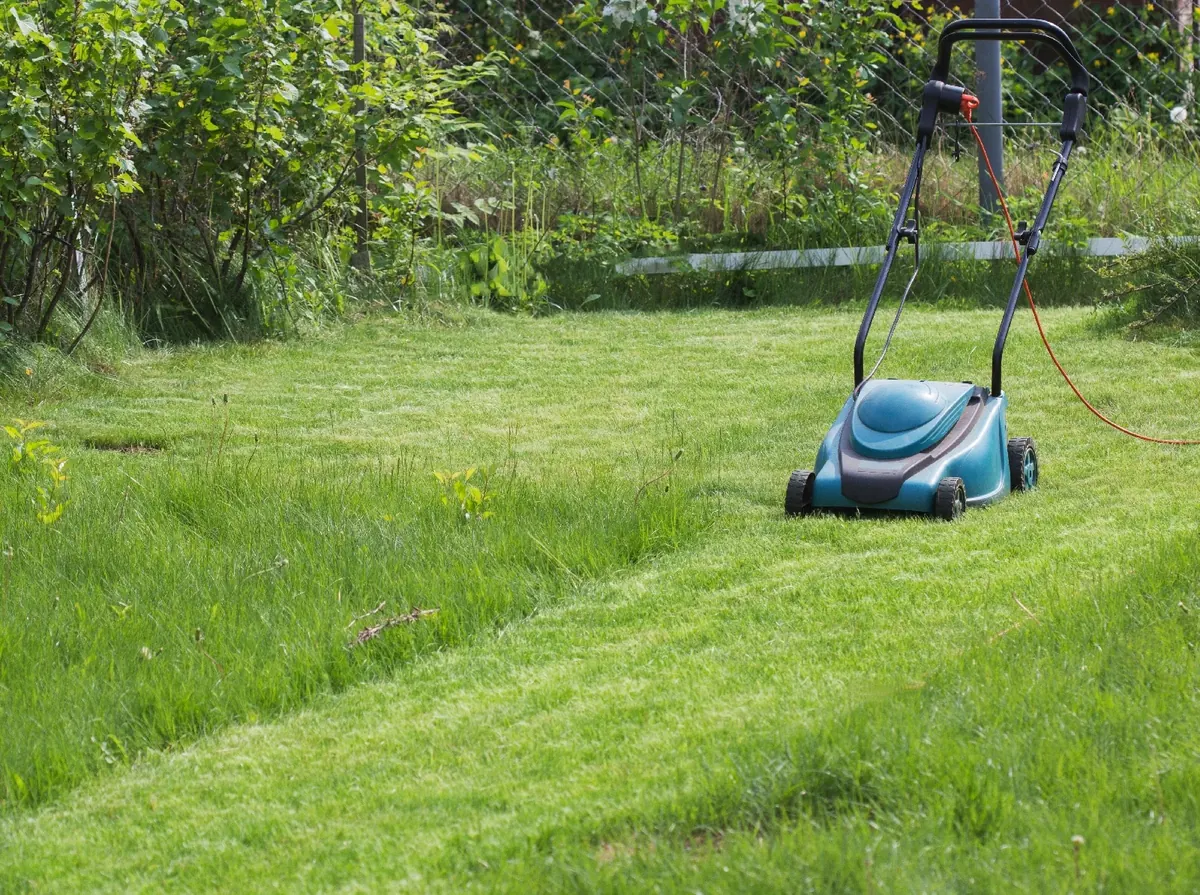
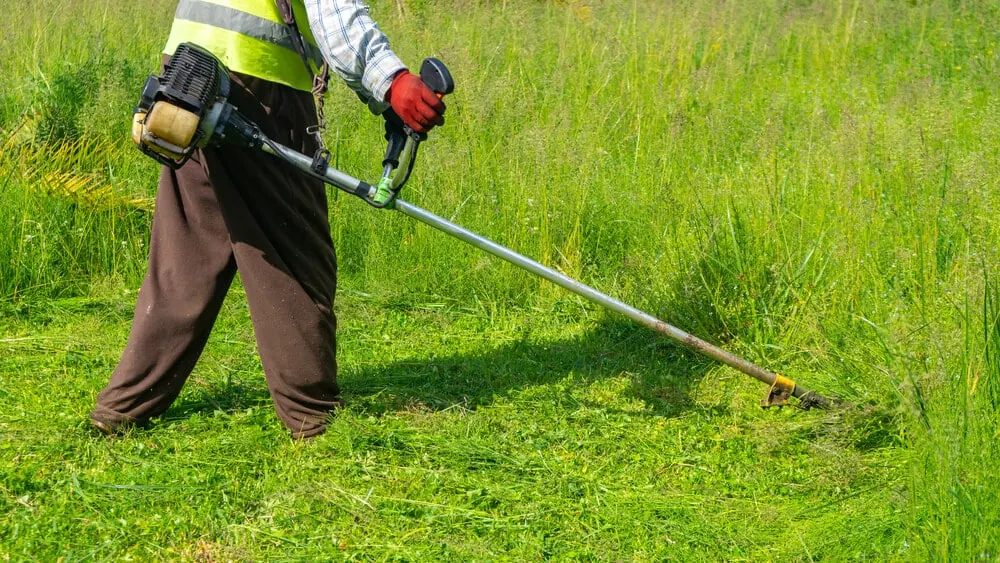
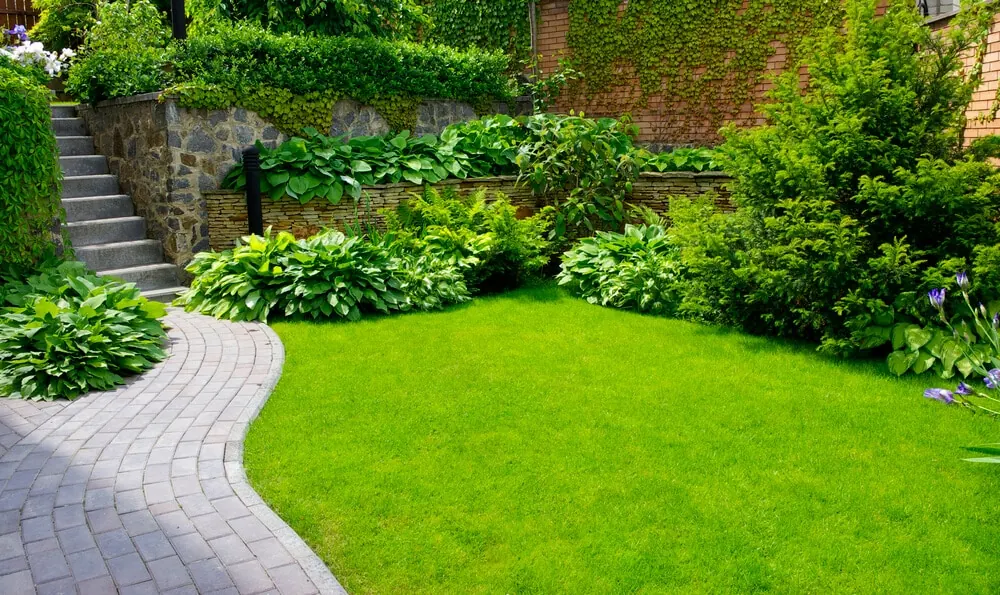
The regular upkeep that keeps a New Orleans yard tidy between storms and growth spurts.
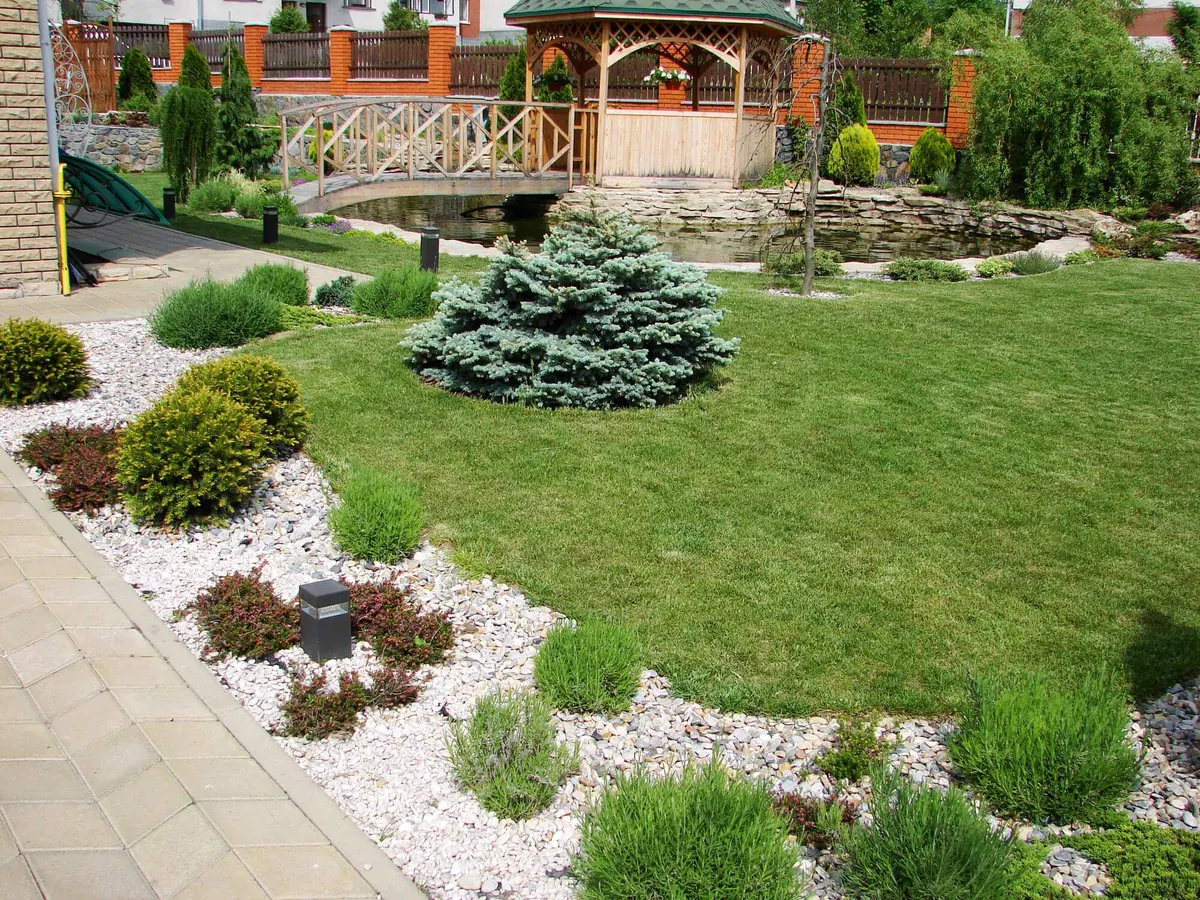
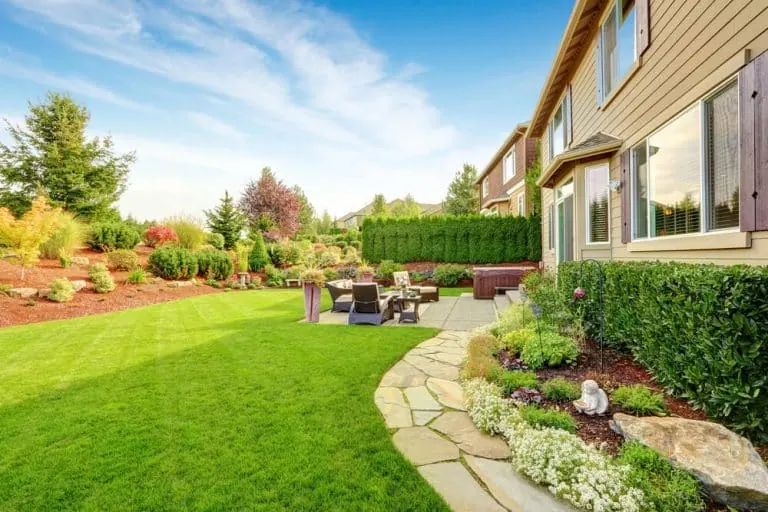
New beds, plantings, and repairs for yards that need more than a mow to look right again.
Explore Landscaping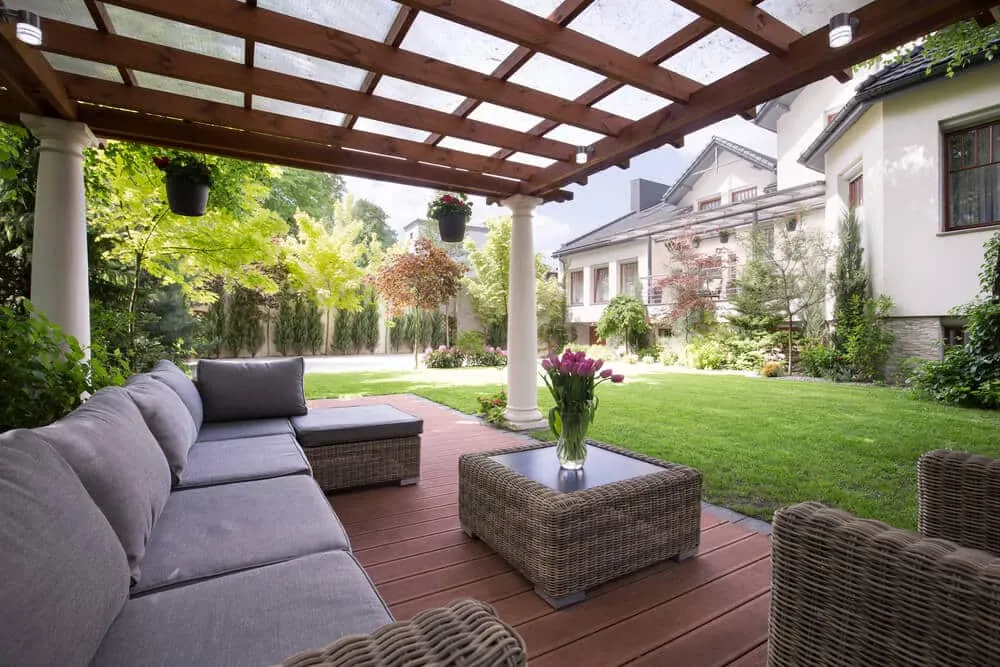
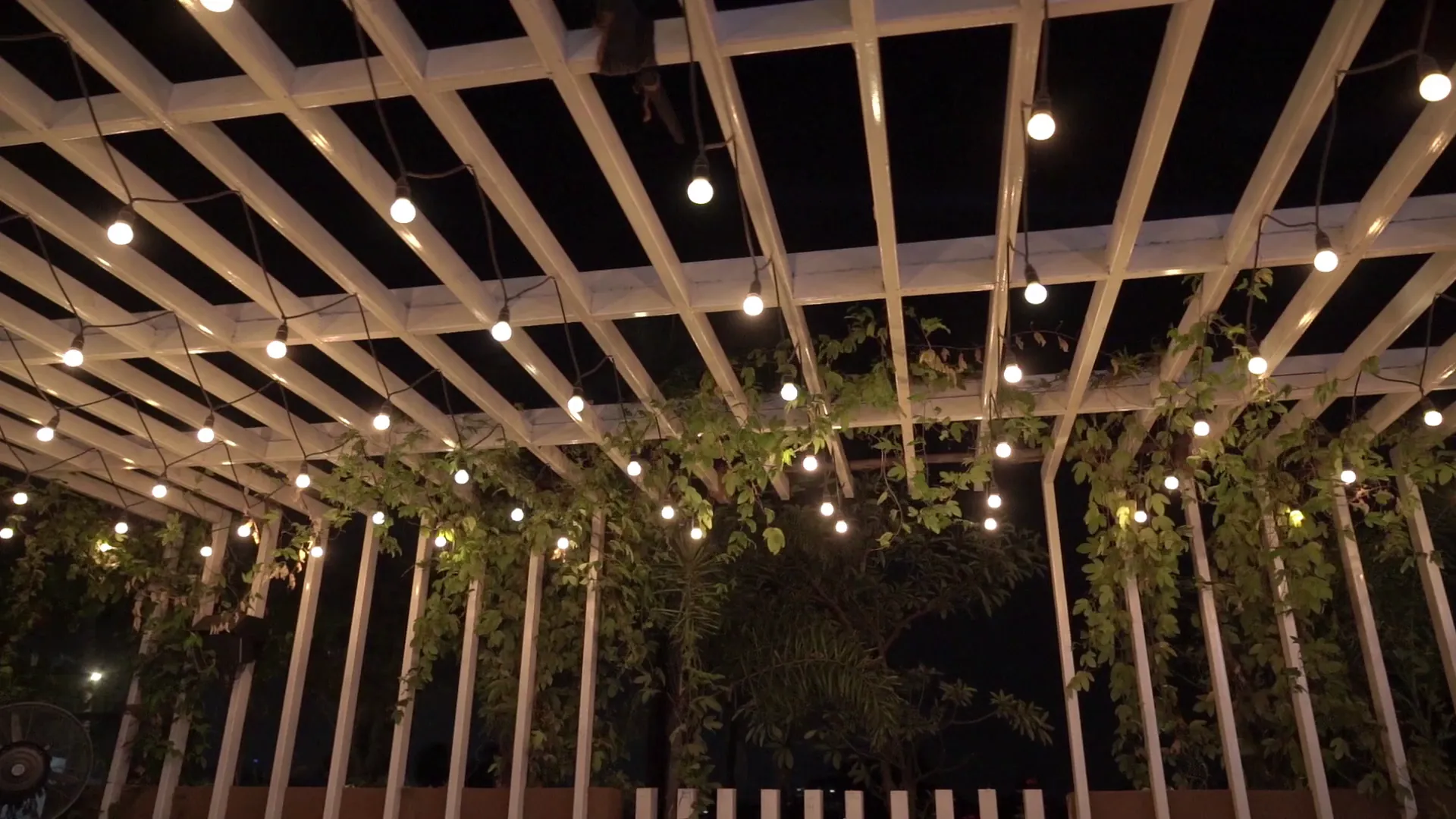
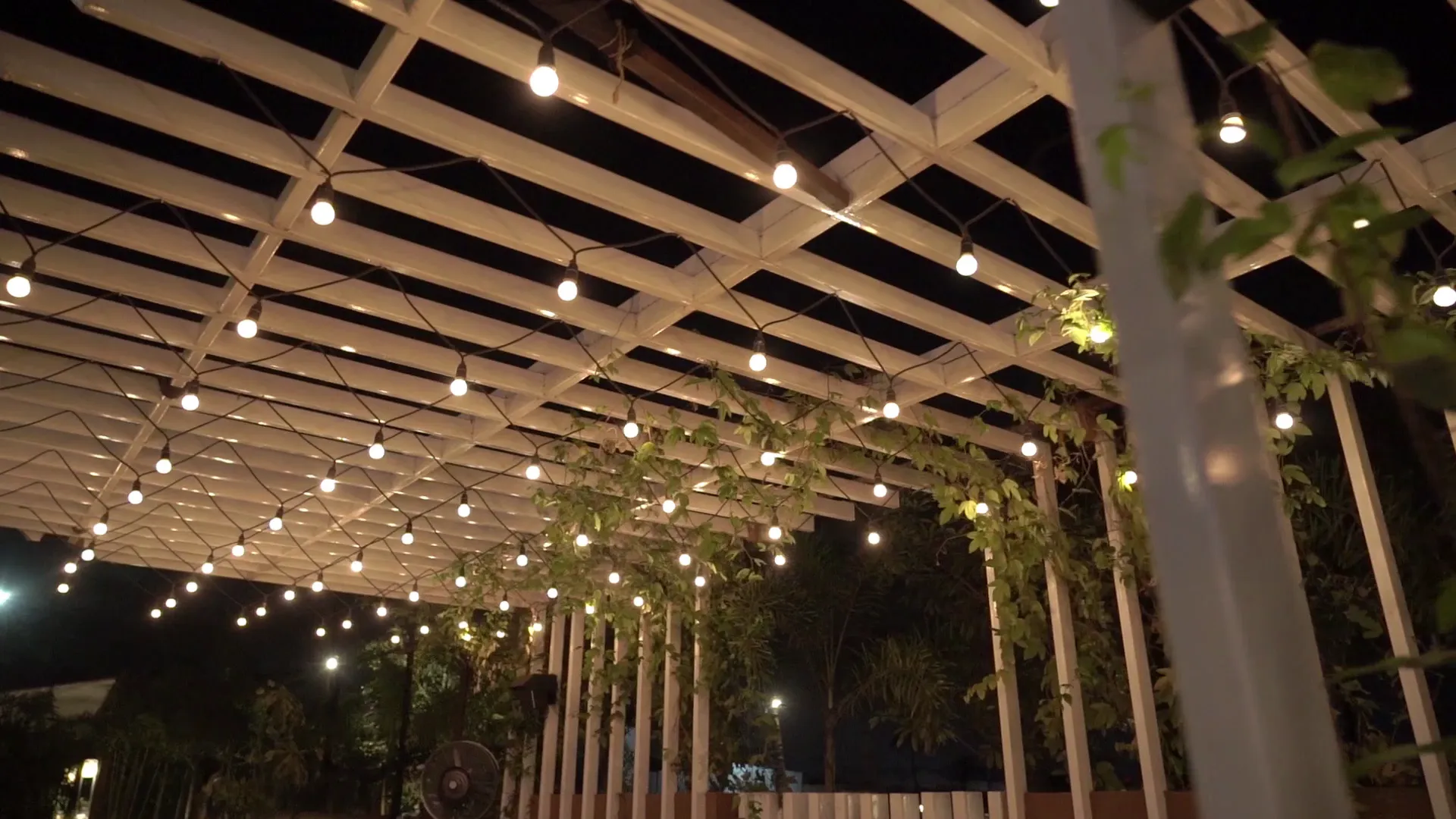
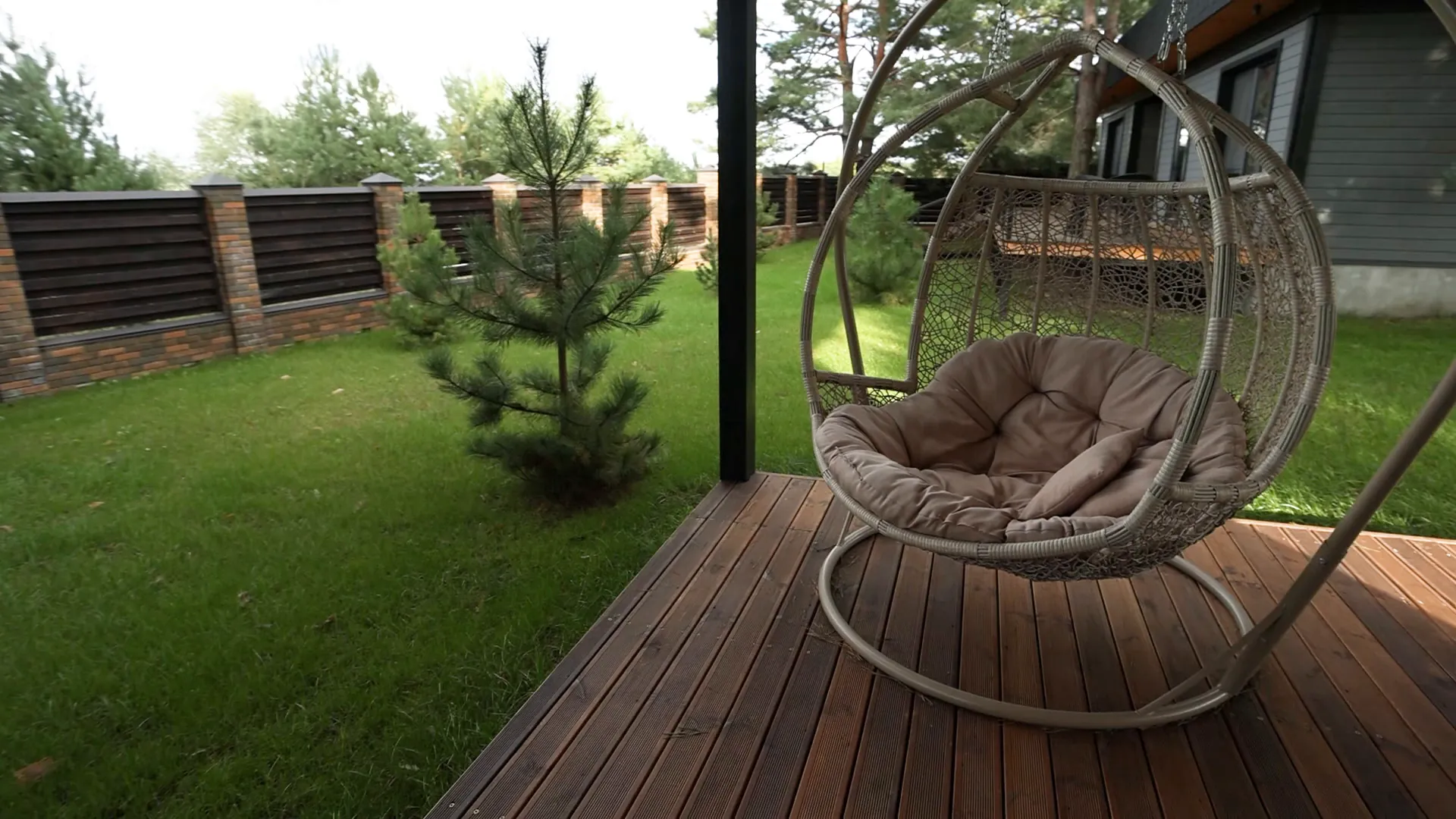
Shaded places to sit outside, built for long, hot summers and evenings in the yard.
Explore Outdoor LivingYour New Orleans lawn needs a professional when the grass keeps getting ahead of the mower, when the turf under trees is turning thin and patchy, or when weeds are flowering along beds and fences. Each of those gets harder to fix the longer it waits, especially in summer.
Grass left to grow far past its height leaves heavy clumps behind the mower. LSU AgCenter advises never removing more than a third of the blade at once, so an overgrown lawn has to come down in stages.
Thin, bare patches under a canopy usually mean the grass is short on light. A taller cut helps, and the deepest shade may do better as a mulched bed.
Weeds that flower along fences and bed edges drop seed for next season. Cutting them back before they seed means fewer weeds the following year.
New Orleans lawns need a different approach because so many grow under mature live oaks, on lots shaped by three centuries of building along the river. St. Augustine copes with shade better than most warm-season grasses, but it still needs a taller cut and a lighter hand under trees to stay thick and green.
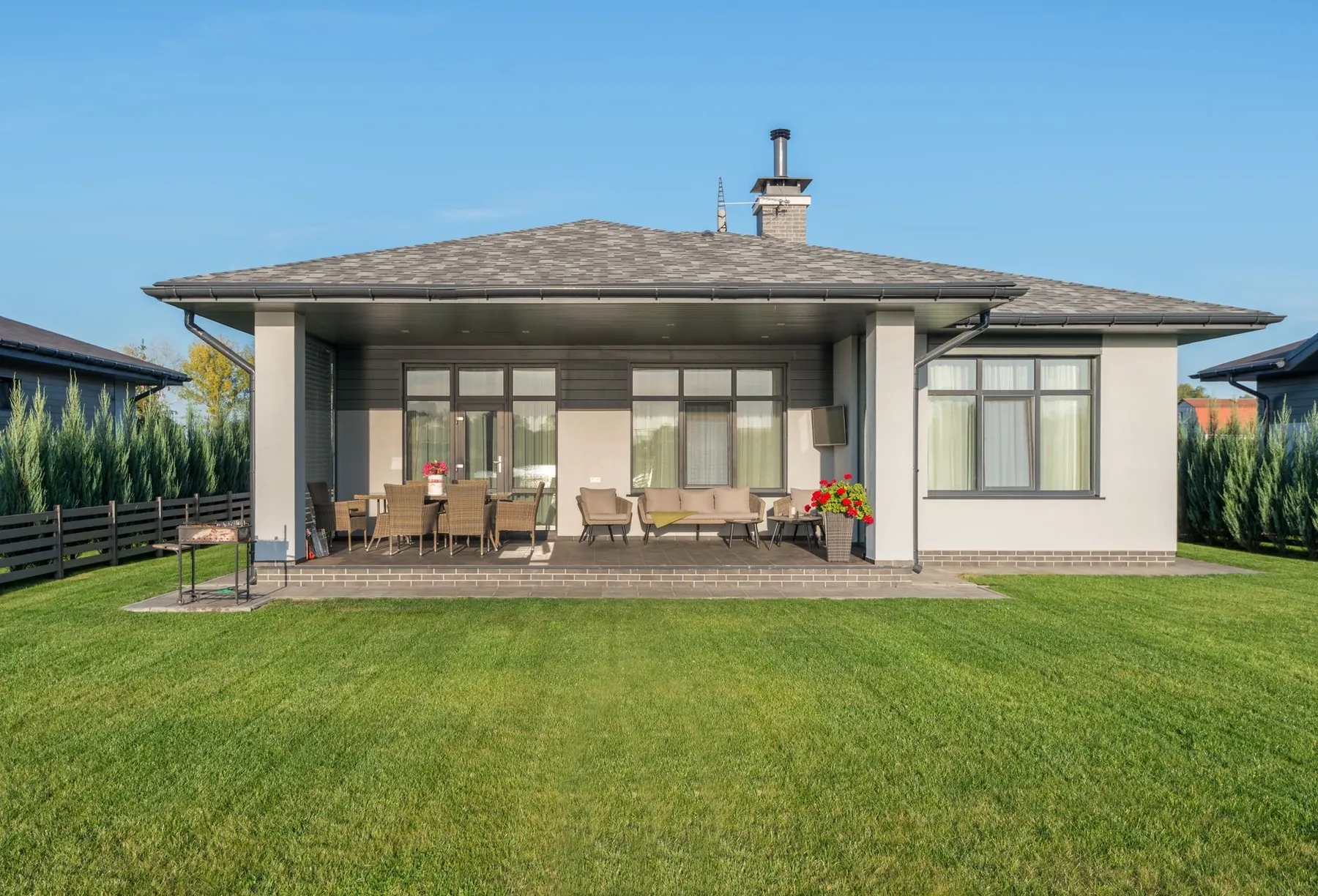
Hiring a local lawn service in New Orleans means the people looking after your yard work here every week and answer to a company based on Magazine Street. You get a free on-site consultation, an insured professional on every job, a satisfaction guarantee, and a schedule you control from your phone.
We are a locally owned company with our office at 3436 Magazine Street.
Quotes come from a free look at your property, not a guess over the phone.
A fully insured lawn professional does the work, backed by our satisfaction guarantee.
Manage visits and payments online, or call us when the weather changes the plan.
Our lawn service in New Orleans works in three stages. We visit the property for a free consultation and give you a no-obligation quote, a fully insured lawn professional carries out the work we agreed on, and you manage visits, payments, and extra services from your phone or web browser afterward.
We look at the lawn, the shade, the beds, and how we get in, then write up a clear quote.
Your lawn professional handles the agreed services and leaves the walks and drive clean.
Pay online and add a visit when a storm or a busy week sets the yard back.
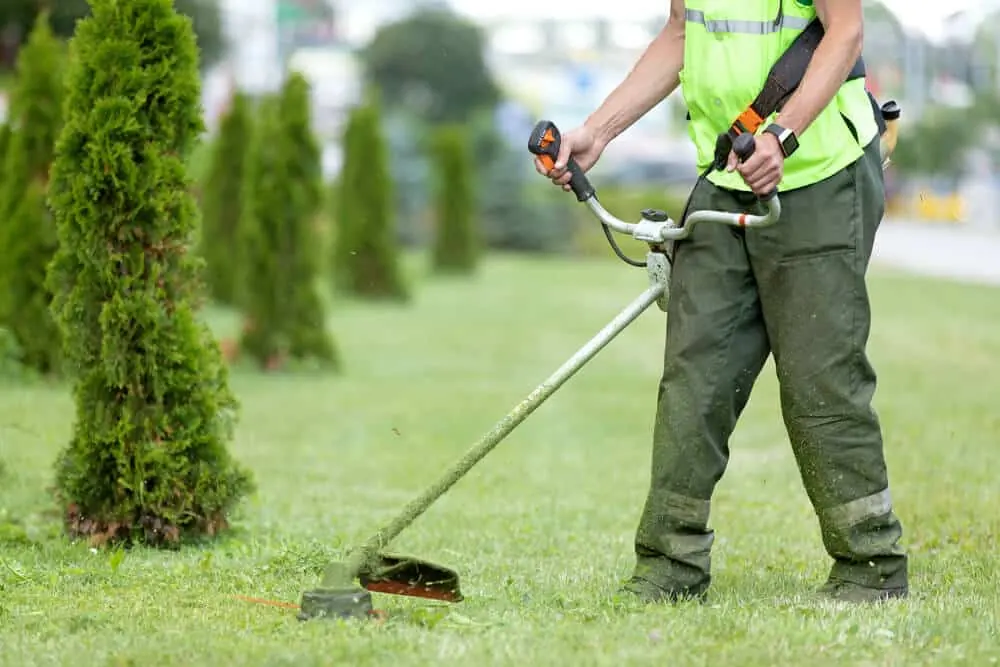
Before hiring a yard service in New Orleans, decide whether you want a one-time visit or regular care, which parts of the property matter most, and what the crew needs to know about access. Those three answers shape the quote and keep the first visit from running into surprises.
A single reset suits a yard that got away from you, while a program keeps a fast summer lawn from getting there again.
List the front lawn, beds, fence lines, or hard surfaces you want covered, and anything bigger, like landscape restoration or a pergola.
Tell us about gates, pets, side yards, and where a crew can park on your street.
From New Orleans, our lawn services run from grass cutting, trimming, and mulching to full landscape restoration, and the same team works in nearby cities. We also cover Metairie, Kenner, Harahan, River Ridge, and Gretna, and across the lake in Covington, Mandeville, Madisonville, and Abita Springs.
New Orleans grew from a French colonial outpost into one of the largest cities in the young United States.
Bienville founded New Orleans in 1718 on the banks of the Mississippi River. Five years later, in 1723, it became the capital of French Louisiana.
New Orleans became American in 1803. By 1840 it ranked as the third largest city in the United States.
The city shares its boundary with Orleans Parish and runs under a Mayor Council government with seven City Council seats. The 2020 Census counted 383,997 people on 169.49 square miles of land.
Several classic New Orleans outings take place outdoors, under the live oaks.
Walk the French Quarter and stand in Jackson Square. Then ride the St. Charles Streetcar uptown along its avenue of oaks.
City Park covers 1,300 acres. Inside are the New Orleans Botanical Garden, the New Orleans Museum of Art and Couturie Forest.
The St. Charles line passes Audubon Park and its ancient live oaks on the way uptown. Esplanade Ridge and Longue Vue House and Gardens show off historic homes and gardens.
Our nearest service cities sit across the parish line, the Mississippi River and Lake Pontchartrain.
Metairie borders New Orleans on the west, inside Jefferson Parish along the south shore of Lake Pontchartrain. It is the parish's largest community and has no city government.
Gretna sits across the Mississippi River from New Orleans on the West Bank. It has served as the seat of Jefferson Parish since 1884.
Mandeville lies on the north shore of Lake Pontchartrain in St. Tammany Parish. From the south shore, drivers reach it on the Lake Pontchartrain Causeway, which starts in Metairie.
A few facts about the city, from its first name to its streetcars, oaks and parades.
Long before New Orleans existed, Indigenous people called this land Balbancha. The name means land of many tongues.
The St. Charles line began running in 1835 and switched to electric streetcars in 1893. It is the oldest continuously operating streetcar line in the world.
City Park holds the largest grove of mature live oaks in the world, some nearly 800 years old. About 280 bird species have been recorded in the park.
Mardi Gras was first recorded in what is now the United States in 1699. Formal parades with floats began in 1857.
The New Orleans Regional Transit Authority runs the city's buses, streetcars and ferries.
RTA streetcars run on the St. Charles line, the Canal Cemeteries and Canal City Park lines, the Riverfront line and the Rampart Loyola line.
One RTA ferry links Algiers Point with Canal Street. A second crosses the Mississippi between Lower Algiers and Chalmette.
Riders can plan trips, track vehicles live and pay fares in the Le Pass app. Jazzy Passes are accepted too.
People who ask about lawn service in New Orleans mostly want to know how local grasses behave: how St. Augustine handles oak shade and winter, how soon a lawn can be cut after rain, why grass turns yellow, and what a visit should cost. These are the questions we hear most.
Yes, within limits: LSU AgCenter rates St. Augustine as more shade tolerant than other warm-season grasses, but it will not grow well in dense shade. Under New Orleans live oaks, keep it cut at 3 inches or more, and consider mulch or a ground cover where the lawn gets under four hours of direct sun.
Yes, because St. Augustine is a warm-season grass with a low tolerance for cold, so growth slows and the lawn goes largely dormant through the cooler months in New Orleans. LSU AgCenter notes that south Louisiana lawns may show signs of green-up in late February, and regular mowing picks up again from there.
Wait until the grass blades are reasonably dry. LSU AgCenter advises against mowing a wet lawn, and wet grass also tends to clump behind the mower. After a New Orleans downpour, how long that takes depends on sun, shade, and how quickly the yard drains, so we check the lawn before we cut.
Two common causes are low iron and low nitrogen. LSU AgCenter notes that iron deficiency yellows the younger leaves between the veins, while nitrogen deficiency starts in the older leaves. Cool, wet springs and high soil pH can both limit iron, so a soil test is the best next step.
In a normal year, rainfall alone may keep St. Augustine healthy in New Orleans, according to LSU AgCenter. During dry spells, water deeply so the root zone is moistened several inches down rather than sprinkling a little every day, and water in the early morning to help limit disease.
Start when the lawn has clearly greened up and begun growing again, which LSU AgCenter says can be as early as late February in south Louisiana. Never remove more than a third of the blade at once, and hold off on fertilizer until mid-April, when LSU says feeding should begin in south Louisiana.
Look closely at the leaf: LSU AgCenter describes St. Augustine as coarse, with wide leaves that end in a rounded tip, while Bermuda has narrow, sharply pointed leaves and a finer texture. Bermuda also needs full sun, so a New Orleans lawn that is thriving in partial shade is unlikely to be Bermuda.
What you pay depends on the size of the lawn, how often it is cut, how overgrown it is, and whether trimming, edging, or cleanup is included. In New Orleans, the clearest number comes from an on-site look, which is why we offer a free consultation and a no-obligation quote first.
Join our satisfied and happy customers. Get your free lawn care assessment today.