A Look Before a Price
We walk the yard during a free consultation and write a quote you are under no obligation to accept.
At Big Easy Lawn Care, we look after lawns for homes and businesses in Abita Springs, from mowing and trimming to cleanups, landscaping, and outdoor living projects. We plan each visit around the tall pines, shaded turf, and quick summer growth that shape yards in this small St. Tammany Parish town.
Every Abita Springs lawn service visit is handled by a fully insured lawn professional and starts from a free, no-obligation quote. You choose one visit or a standing program, for a house or a business, then follow it and pay for it online. A satisfaction guarantee stands behind the work.
We walk the yard during a free consultation and write a quote you are under no obligation to accept.
Every visit is carried out by a fully insured lawn professional, whether it is a quick mow or a full cleanup.
Book one round of mowing and weed-eating, or set up ongoing maintenance with regular yard cleanups.
Front yards on quiet streets and grounds around local businesses both fit our schedule.
Check visits, pay bills, and add services from a phone or web browser, without waiting on a callback.
Our satisfaction guarantee stands behind every visit, so tell us if anything falls short.
Abita Springs homeowners usually call a lawn service when the pines and the weather start winning. Needles bury the turf, shaded grass thins out, beds go unmulched, and summer growth outpaces a busy schedule. A few missed weeks can turn a quick trim into a full yard reset that takes a whole weekend.
All three of our service families reach Abita Springs. Lawn and yard maintenance covers mowing, trimming, mulching, weed cutting, pressure washing, and hauling. Landscaping covers new beds and restoration work, and outdoor living covers pergolas, decks, and similar projects, with every one of them beginning with a free estimate at your property.
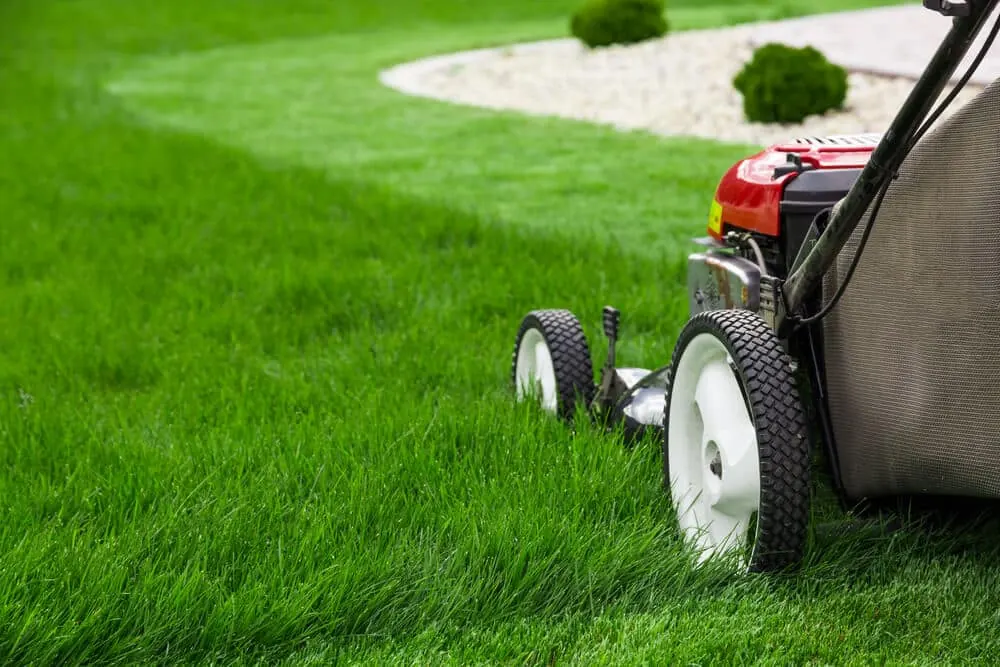
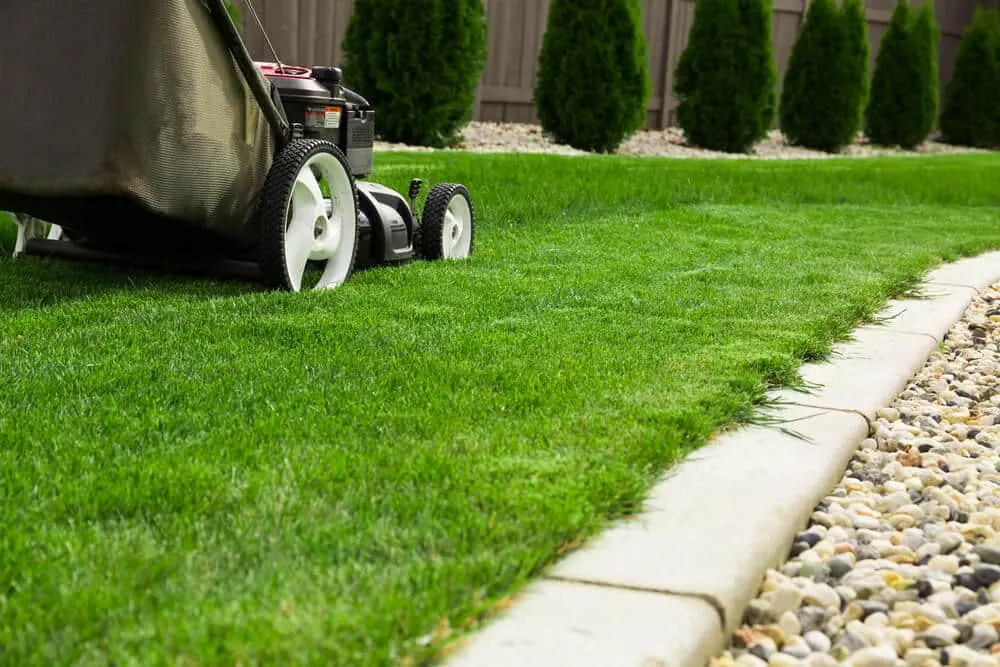
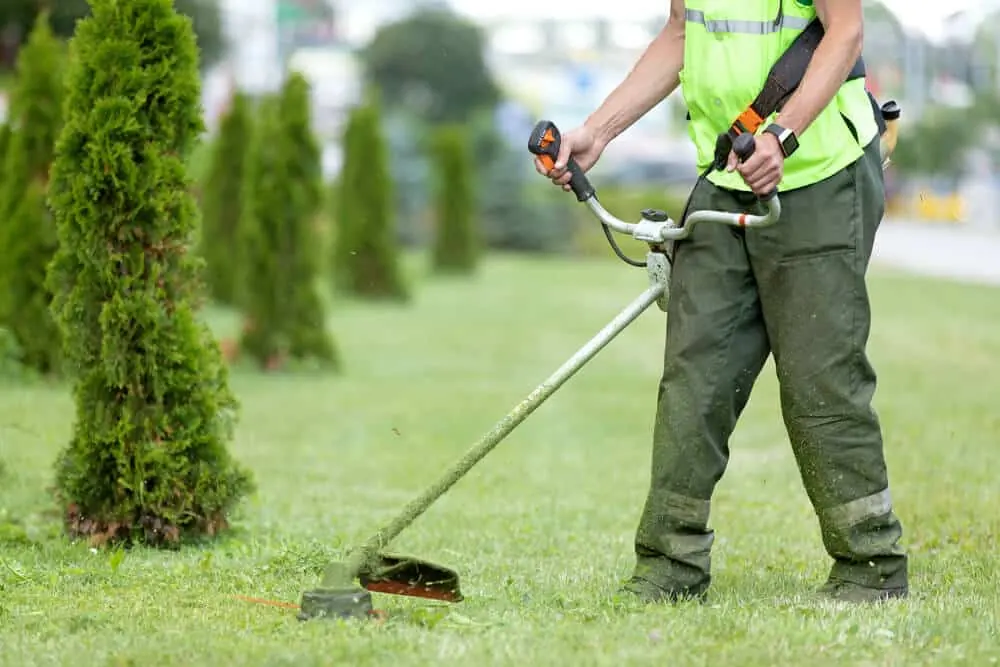
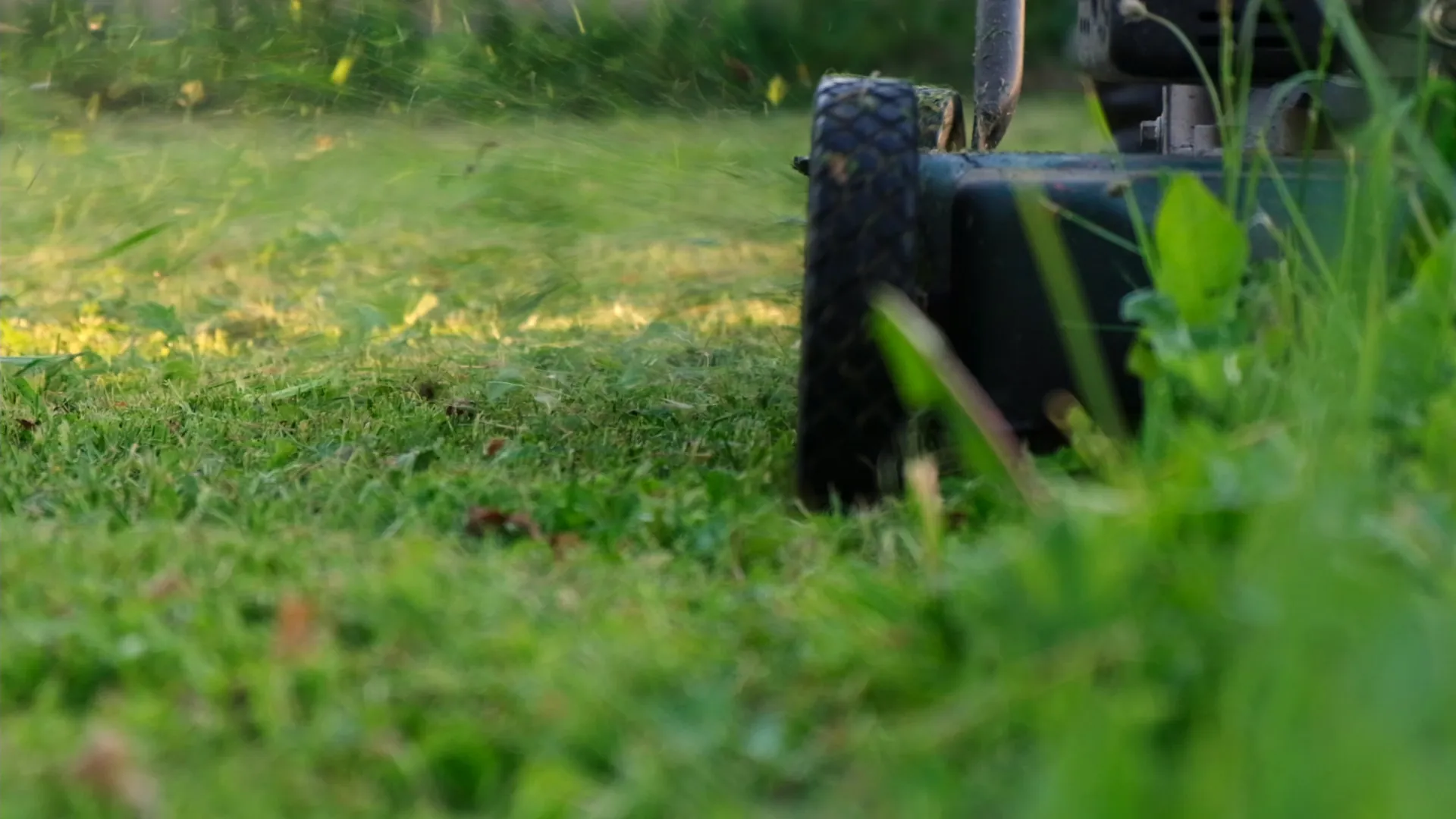
Routine care that keeps grass, edges, and beds in order through a long growing season.
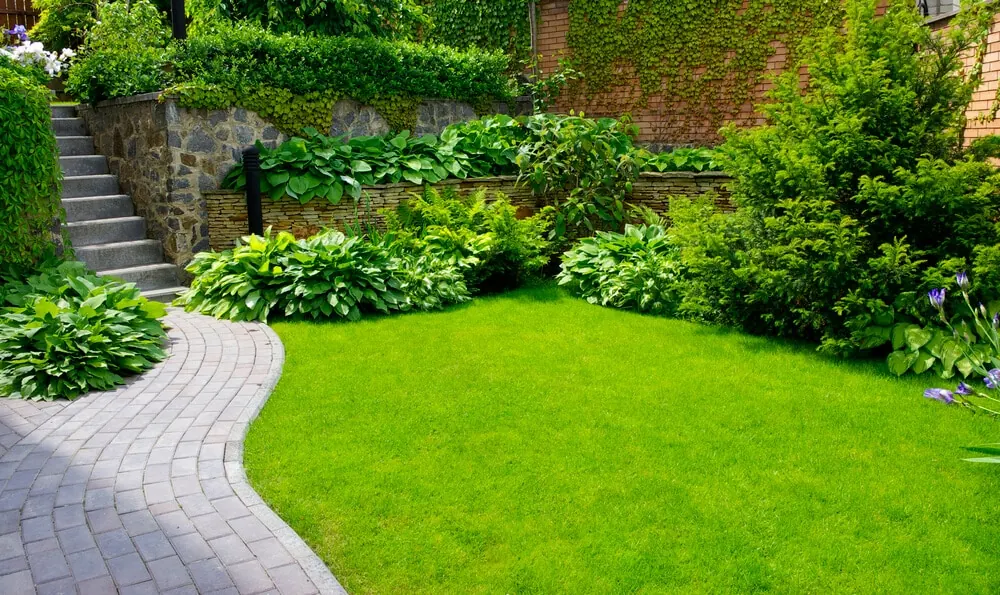
Planting, bed building, and repair for yards where shade and needles have worn the design down.
Explore Landscaping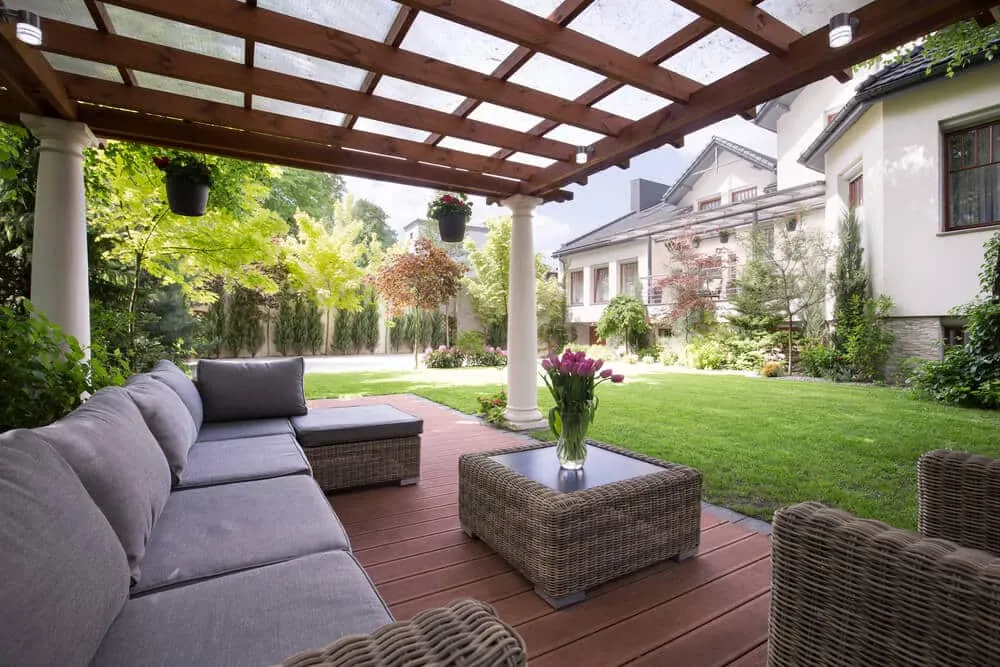
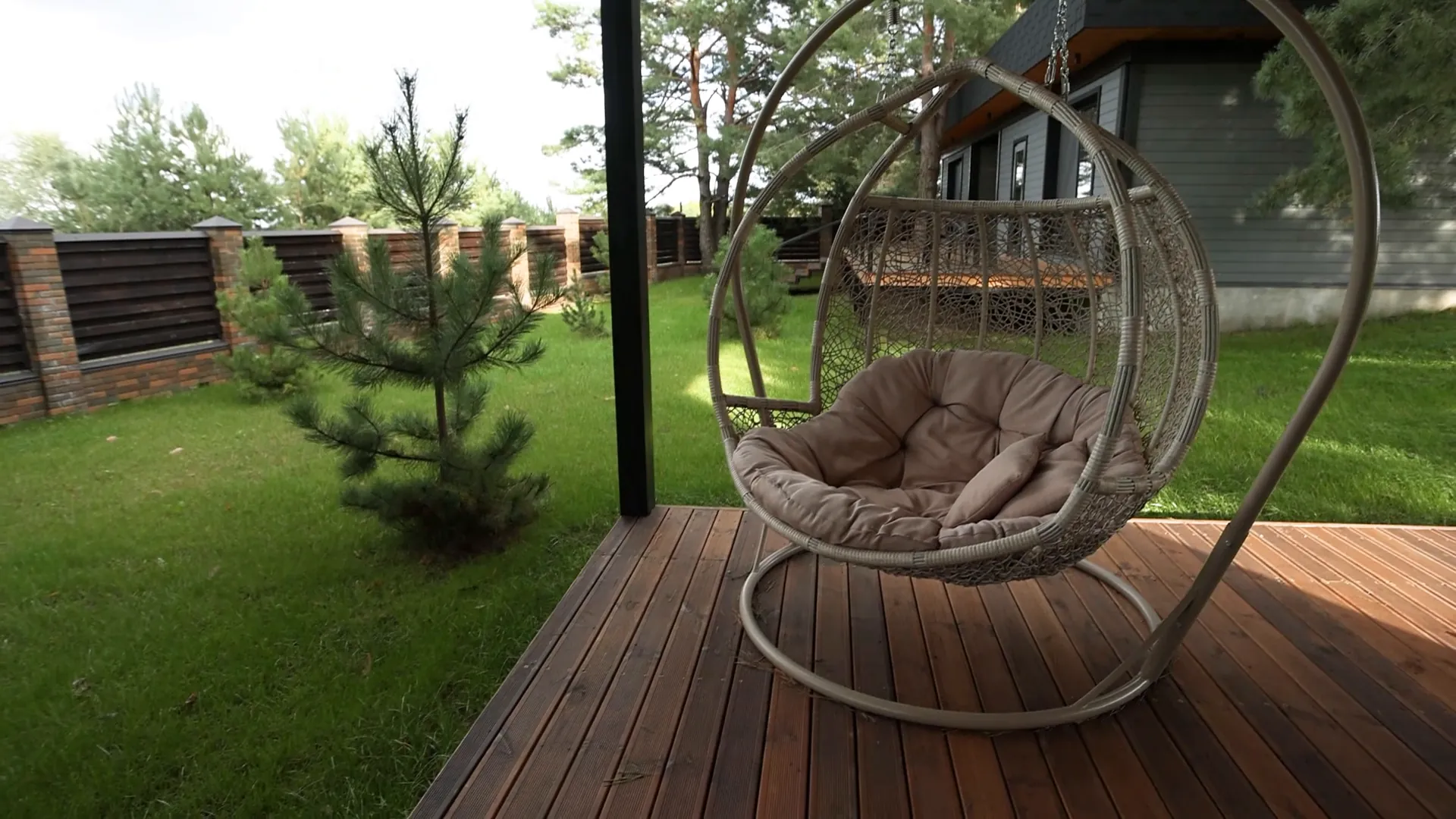
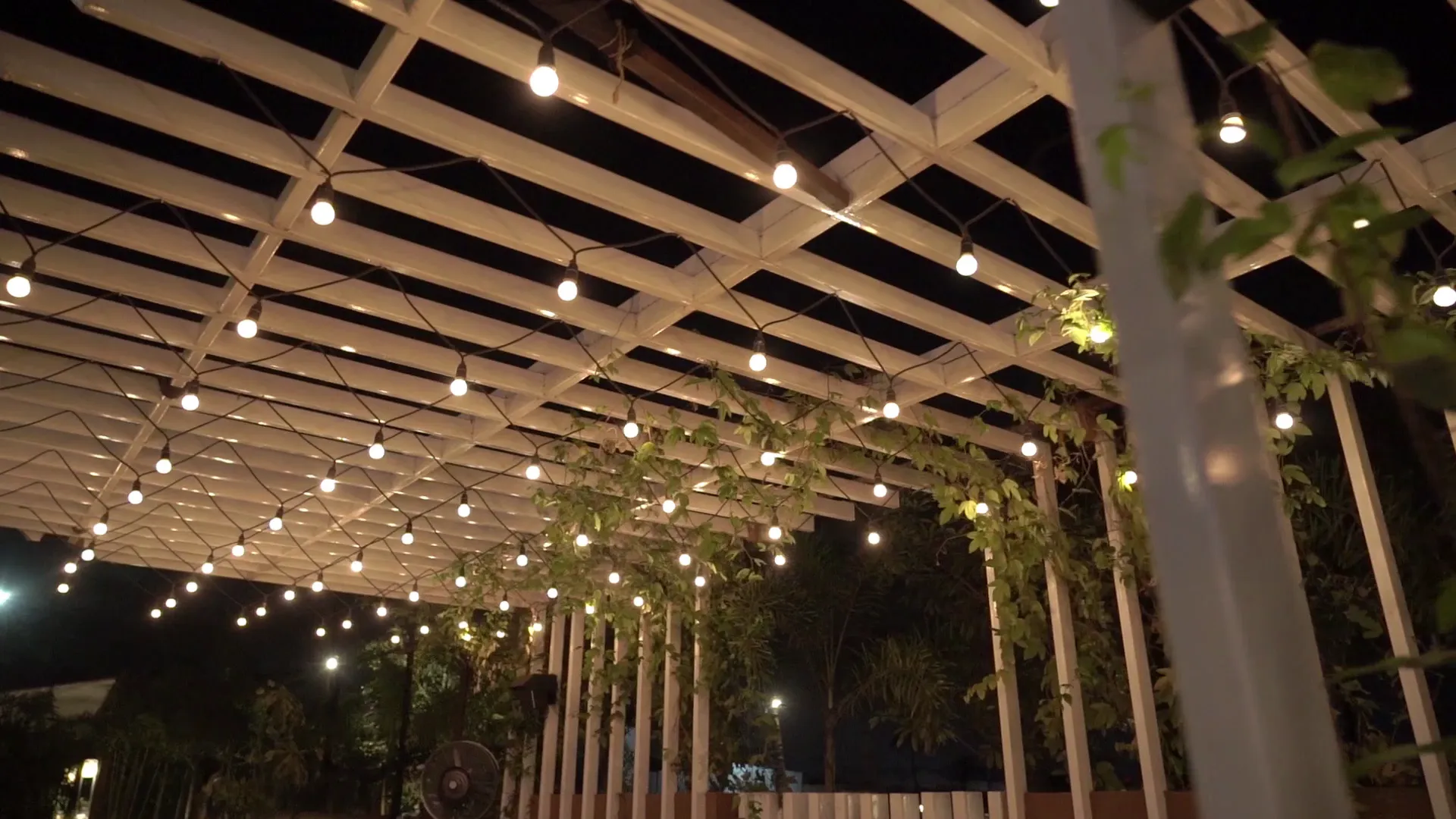
Covered spots to sit and cook outside, built to suit a wooded backyard.
Explore Outdoor LivingIt is time to call a lawn pro in Abita Springs when needles sit on the grass for weeks, when turf under the pines keeps thinning even though you mow, or when the grass color fades and nothing you add seems to help. Each one points to a problem that grows quietly.
LSU AgCenter advises clearing leaf litter off shaded turf regularly so it does not smother the grass. Needles left for weeks block the little light those lawns get.
Grass that gets less than four hours of direct sun is under high shade stress, per LSU AgCenter. Past that point, mulch or ground cover often works better than more seed.
LSU AgCenter notes that centipede leaves can yellow when the soil turns too basic. A soil test shows whether pH is the cause before money goes on guesses.
Lawn care in Abita Springs is shaped by pines, shade, and soil chemistry more than by lot size. The town's longleaf pines filter light and drop needles onto the turf, so grass needs a taller cut and steady litter removal. Soil pH matters too, since acid soil causes more Louisiana garden problems than anything else.
A local lawn crew in Abita Springs gives you a quote based on your actual yard, insured work, and a company that answers for the result. We are locally owned, every job carries our satisfaction guarantee, and you can manage the schedule and the bills online whenever plans change.
We are locally owned, with our office at 3436 Magazine Street in New Orleans.
The price comes after we see the pines, beds, and gates, not from a guess.
Insured professionals do the work, and the guarantee covers how it turns out.
Book extra visits or pay online when a storm or a trip changes the plan.
We start lawn care at an Abita Springs home with a free on-site consultation and a no-obligation quote. When the quote is approved, a fully insured lawn professional carries out the scope we wrote down. After that, you track visits, pay, and request extra help from your phone or web browser, as often as the yard needs.
We note the canopy, the needle load, the beds, and the gate, then put the scope in writing.
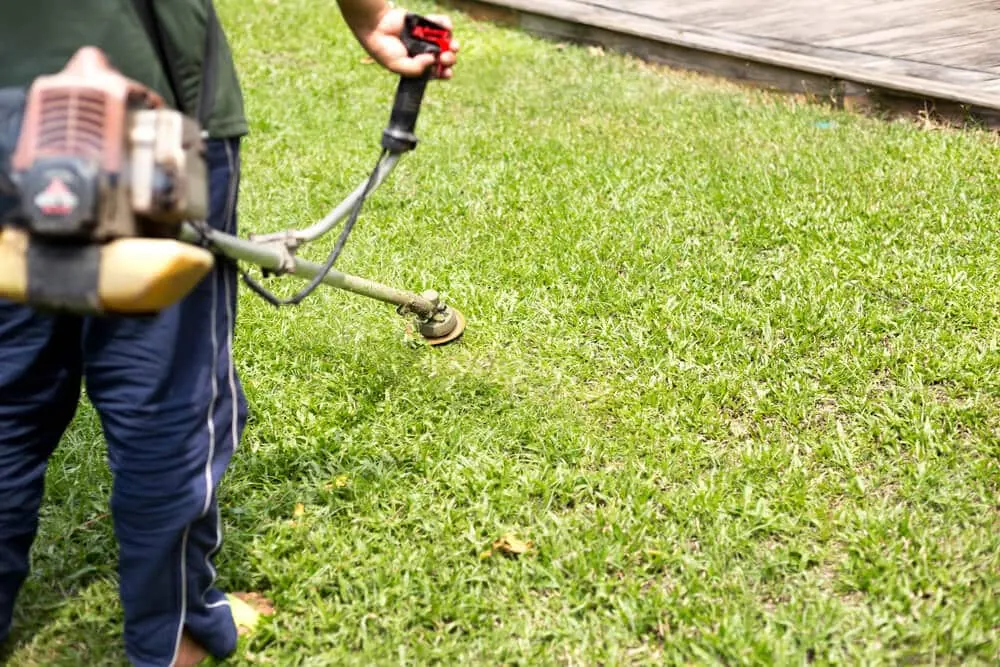
Your lawn professional mows, trims, clears, and mulches as agreed, then tidies the hard surfaces.
Add a cleanup when needles pile up or a storm drops limbs, right from your account.
Abita Springs owners get the most from yard care when they first decide what to do with deep shade, how often the needles should come off the grass, and whether the visit is a one-time reset or regular service. Settling those three points makes the quote clearer and the first visit faster.
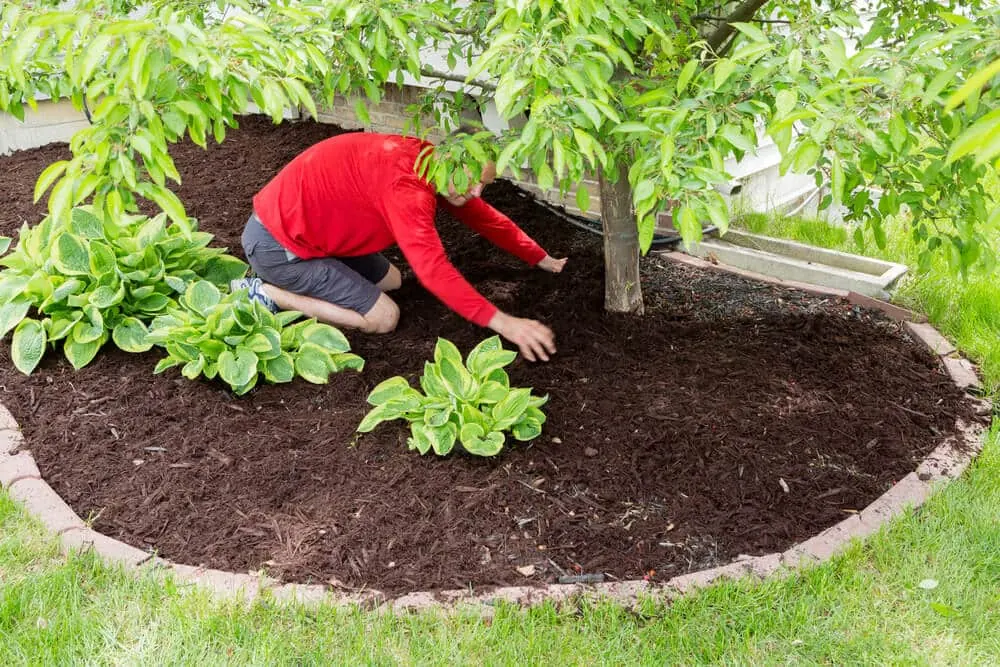
Where grass keeps failing under the trees, a mulched bed can replace it. Ask about lawn mulching or landscape restoration for those spots.
Decide whether needle and debris removal belongs in every visit or only in seasonal cleanups.
Let us know about locked gates, dogs, narrow drives, and where a truck and trailer can stop.
From Abita Springs, you can explore our grass cutting, trimming, mulching, and landscape restoration pages, along with our other Northshore towns. We also care for lawns in Covington, Mandeville, and Madisonville, and across the lake in New Orleans, Metairie, Kenner, Harahan, River Ridge, and Gretna.
Abita Springs is a St. Tammany Parish town shaped by its springs and its resort years.
Native Americans lived here 2,220 years ago, drawn by game, fish, and spring water. Pioneers settled on Abita Creek in 1820.
A Covington physician tested the springs in 1887 and found medicinal minerals. The yellow fever mosquito was rare here, so New Orleans families came by train.
The Long Branch, built in 1880 as the first major resort hotel, still stands. A mayor and aldermen now govern an estimated 2,753 residents on 4.61 square miles.
Most days out here start at the trailhead park on the Abita River.
The park holds the restored 1884 pavilion, a splash pad, and the Trailhead Museum. Look for the Princess Abita statue while you are there.
The town credits John Preble's Mystery House with keeping its funky, proudly odd arts reputation alive. Artists and writers live in the town's old houses.
The Abita Opry presents roots music, and a Sunday art and farmers market draws shoppers. A hometown brewery also gives tours.
The Tammany Trace ties Abita Springs to Covington and Mandeville, and Madisonville shares the parish.
The Trace starts in downtown Covington and passes through Abita Springs toward Slidell. The Abita River is one of three that meet at Covington.
Beyond Abita Springs, the Trace reaches Mandeville on Lake Pontchartrain's north shore. The East Louisiana Railroad tied both towns to New Orleans in 1887.
Madisonville, on the Tchefuncte River, is the oldest permanent settlement in the parish. It took President James Madison's name in 1811.
Abita Springs has good stories about its spring water, rail line, and lawn mowers.
Built for the 1884 Cotton Centennial Exposition, the pavilion was moved here and rebuilt over the spring. Today the park's splash pad sprays Abita water.
Carnival here includes a Mardi Gras parade of push mowers. The whole town has held a shared garage sale since 1994.
The Trace follows an Illinois Central Railroad corridor the parish bought in 1992. It joined the Rails-to-Trails Hall of Fame in 2017.
Without a car, residents book STAR Transit or use the Tammany Trace.
STAR Transit is the parish's demand response system, offering any resident a curb-to-curb ride booked by phone. Urban and rural service run on weekdays.
One of nine parish park and ride lots is at 22516 Highway 36 in Abita Springs, serving commuters, vanpoolers, and transfers.
The parish has paved 31 miles of the Trace. Through late 2026, the stretch from Gordon Avenue to the Abita Springs Trailhead is closed for a new Abita River bridge.
People asking about lawn care under pines in Abita Springs mostly want to know what to do with the needles, which grass will take the shade, whether pine straw invites termites, and how soil pH and lime affect centipede. These answers draw on LSU AgCenter guidance for Louisiana yards.
It depends on the grass. LSU AgCenter says centipede does well at a pH of 5.5 to 6.0, while St. Augustine prefers 6.0 to 7.0. Acid soil causes more gardening problems in Louisiana than any other soil factor, so a lab soil test is the only way to pin down where an Abita Springs yard stands.
Among Louisiana lawn grasses, LSU AgCenter rates St. Augustine as the most shade tolerant, with Palmetto one of the stronger varieties. Centipede handles light shade but declines in heavy shade, and under thick pine cover in Abita Springs, where grass gets less than four hours of direct sun, mulch or a ground cover usually does better.
Pine straw is the least likely common mulch to draw termites, because LSU AgCenter notes it is the lowest in cellulose and a good choice around foundations. Placement still matters: keep any mulch pulled back 8 to 12 inches from the slab or piers so it cannot bridge the soil treatment around the house.
For beds against the house, pine straw is often the better pick. LSU AgCenter calls it excellent and lowest in cellulose, while wood chips should stay away from foundations because termites feed on them. Under Abita Springs pines, start with about 3 inches of straw around shrubs and trees, then top it up yearly.
A thick layer of needles left on a lawn can shade out and smother the grass beneath it. LSU AgCenter advises removing leaf litter from shaded turf regularly to avoid that extra smothering. In Abita Springs, the simple fix is to rake or blow needles off the lawn and reuse them as mulch in the beds.
Give it as much light as you can: LSU AgCenter suggests removing lower limbs and thinning the canopy, mowing St. Augustine at 3 inches or more and centipede at 2 inches, fertilizing moderately, and keeping traffic and leaf litter off the turf. Pines compete less for soil moisture than hardwoods, so light is usually the limit.
Soil pH is one cause to rule out. LSU AgCenter notes that centipede leaves can yellow when soil turns too basic, and it lists 5.5 to 6.0 as the pH range centipede prefers, so lime added without a soil test can overshoot. A lab test shows whether pH is behind the color in your Abita Springs lawn.
Only if a soil test says so. LSU AgCenter notes that many Louisiana soils need lime every three to five years, but the right call depends on your grass and your test results. Centipede is the one to be careful with, since lime it does not need can raise pH too far and turn the blades yellow.
Join our satisfied and happy customers. Get your free lawn care assessment today.