A Look at the Whole Yard
We note sun, shade, slope, soil, and the spots where rain already stands.
At Big Easy Lawn Care, we provide professional irrigation for homes and businesses across the greater New Orleans area. Each irrigation job is planned around our heat, humidity, heavy Gulf rains, and slow-draining soil, so lawns and planting beds get the water they need without being soaked.
Irrigation service in New Orleans starts with a free on-site estimate that looks at your lawn, beds, shade, slope, and soil. We then plan the irrigation around how each area of the yard uses water, carry out the work, and finish with a walkthrough of the completed system.
We note sun, shade, slope, soil, and the spots where rain already stands.
Turf, shrubs, and shaded beds use water differently, so they are planned as separate areas.
Heat, humidity, and Gulf storms shape how often water is needed and when it should be applied.
A fully insured professional handles your irrigation from the first visit to the finish.
We go over the finished work with you, backed by our satisfaction guarantee.
Handle service from your phone or browser, pay online, and add yard care whenever you need it.
We offer irrigation in New Orleans for two parts of the yard: the lawn, and the beds and shrubs, each planned on its own because they use water differently. Both serve homes and businesses across the greater New Orleans area, and every project begins with a free, no-obligation estimate.
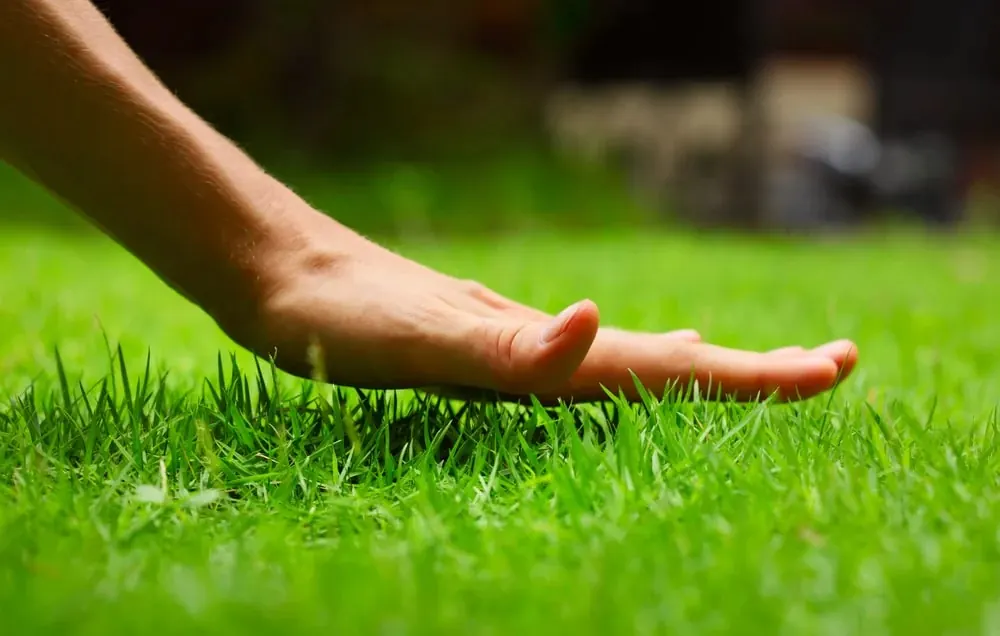
Turf is planned for a deep soak in dry weeks, not the light daily sprinkle that keeps roots shallow.
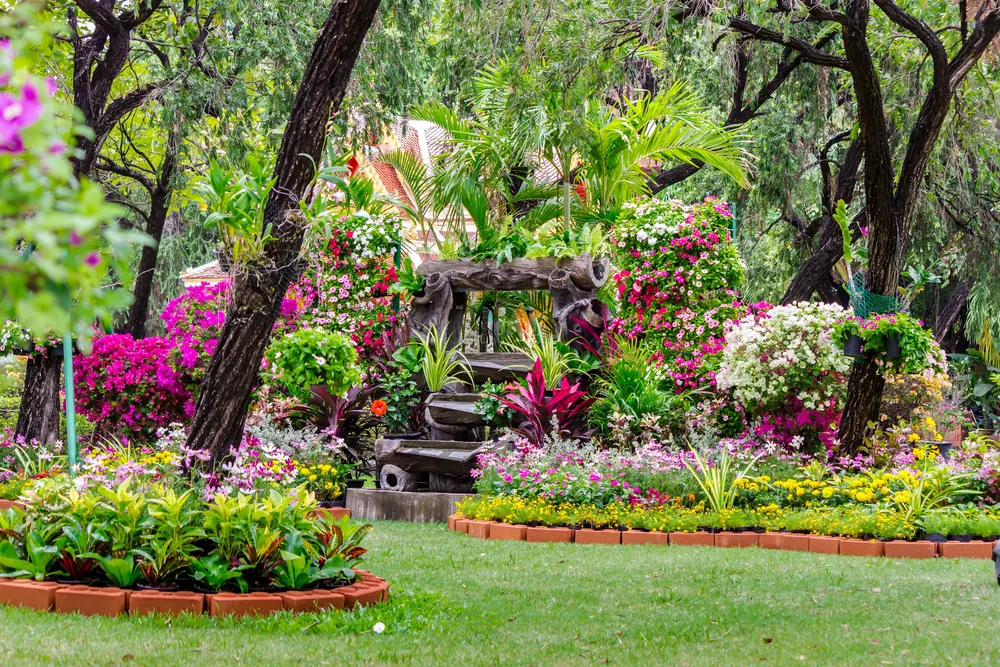
Beds, shrubs, and ground covers are planned apart from turf, with plants that share a water need grouped together.
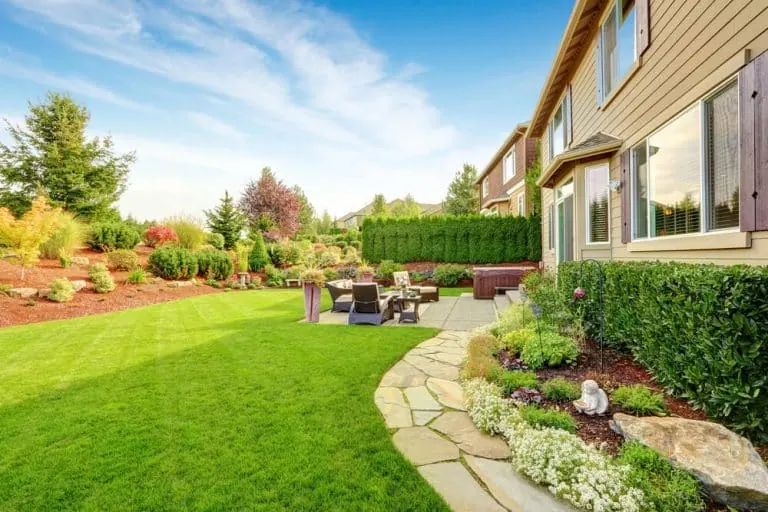
Irrigation for homes across the greater New Orleans area, planned around the local climate and soil.
Irrigation for businesses across the greater New Orleans area, starting with the same free on-site estimate.
Irrigation works differently in New Orleans because heavy rain and dry spells often arrive in the same season, and many local clay soils take water in slowly. LSU AgCenter advises watering clay soils in several short, back-to-back cycles and running irrigation early in the morning, so water soaks in and leaves dry before evening.
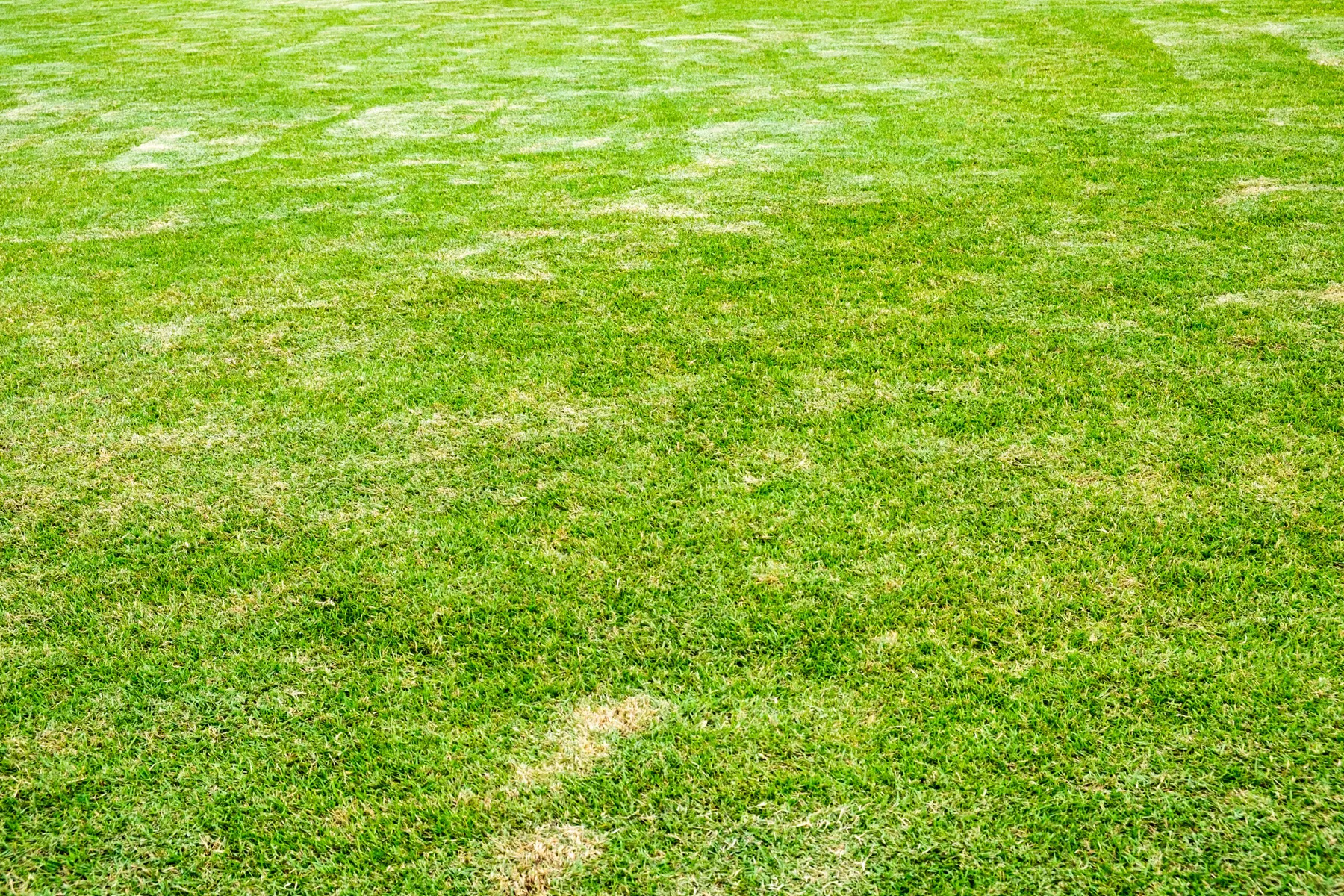
Irrigation zones in New Orleans work best when plants with similar water needs share a zone. LSU AgCenter recommends grouping plant materials this way, since deep-rooted, drought-resistant plants need water less often than shallow-rooted ones, while shade, slope, and soil type also change how much each area should receive.
About 1 in a week
Turf needs roughly an inch of rain or water a week. Light daily watering keeps roots in the top inch of soil.
Up to 50% less
LSU AgCenter says drip and low-volume spray emitters can cut landscape water use by up to half compared with overhead sprinklers.
Its own zone
LSU AgCenter lists sun and shade among the factors that set a plant's water need, so shaded areas should not share a run time with full sun.
More often
Higher spots dry out sooner than low areas downslope, where water naturally collects after it runs off.
Zone guidance follows LSU AgCenter. LSU notes that micro-irrigation suits trees, shrubs, and ground covers, but not traditional turf.
Our New Orleans irrigation process works in three steps. We visit the property and give you a free, no-obligation estimate; a fully insured professional carries out the irrigation work planned around your soil, plants, and sun; and we walk the finished system with you so you know how it is set up.
We walk the lawn and beds, note sun, shade, slope, and soil, and give you a clear quote and scope.
Areas with similar needs are grouped together, so turf, shrubs, and shaded beds each get the water that suits them.
We review the completed work with you and explain why the schedule should change as the seasons do.
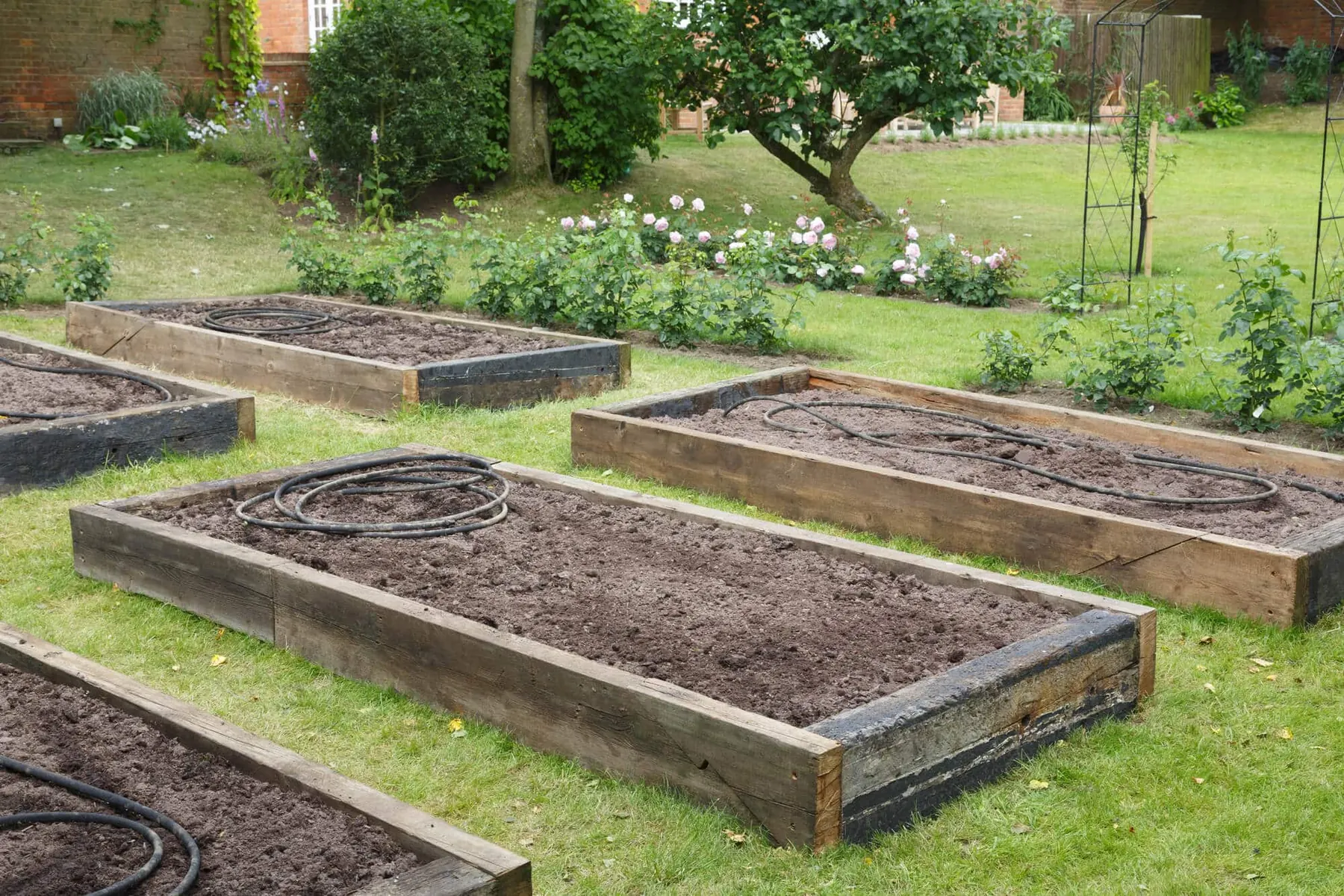
Irrigation in New Orleans should run by the weather, not a fixed calendar. LSU AgCenter says lawns need about one inch of rain or water a week, so in summer that means adding 0.5 to 0.75 inch every 7 to 10 days when rain falls short, and re-evaluating the schedule every month.
LSU AgCenter's guide is about an inch a week, so add water only when rain falls short.
Add water every 7 to 10 days, measured with a tuna can or rain gauge.
LSU AgCenter notes a third weekly watering may become necessary.
Dormant grass can usually wait three to four weeks; after that, water deeply to keep it alive.
Cost depends on the size of the property, the areas being watered, and the scope of work. We quote after a free, no-obligation look at the site.
Get Free EstimatesBefore adding irrigation in New Orleans, know three things: which parts of the yard you want watered, where rain already stands or runs off after a storm, and which areas sit in shade or on higher ground. Answering those first keeps the estimate accurate and the watering plan matched to the property.
List the lawn areas, beds, and shrub lines you want covered.
Low spots that stay wet may need landscape drainage before more water is added.
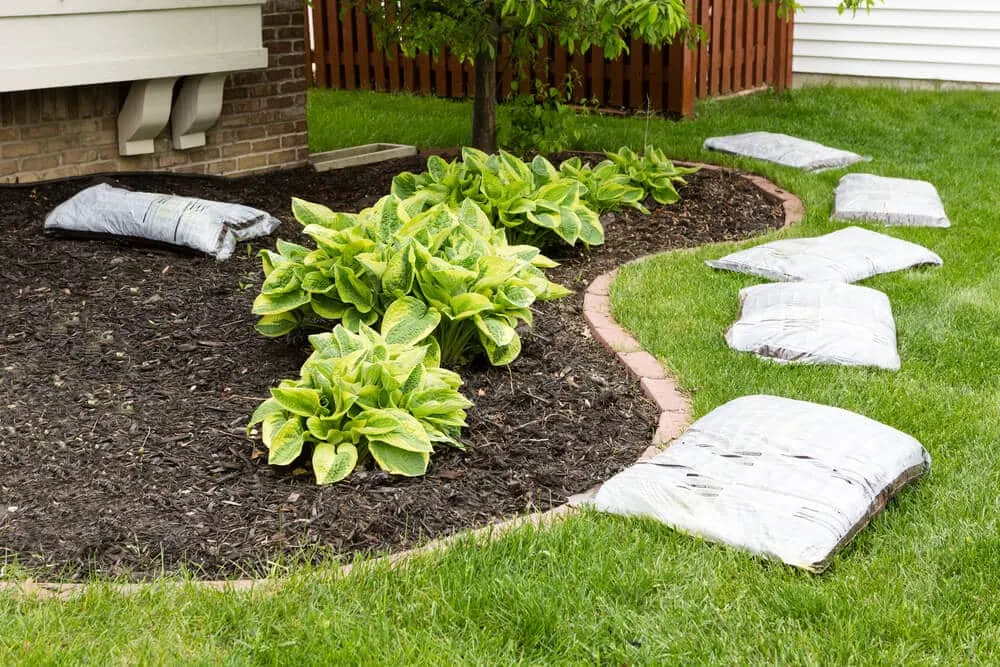
Pair irrigation with lawn and yard maintenance and fresh mulching, which holds moisture in beds.
Our customers mention the same things again and again: prompt, courteous crews, detailed cuts with a thorough cleanup afterward, fair pricing, and fast replies, including a callback within 24 hours on an overgrown lawn. Here is what a few of them shared with us.
The lawn care service I received from start to finish was great. The staff are always prompt and courteous, the prices can't be beat and my yard looks amazing, all thanks to Big Easy Lawn Care!
Big Easy Lawn Care is great! I called them up to take care of an overgrown lawn, and they were able to get back with me within 24 hours. Their pricing was very reasonable as well. We'll be using this company from now on for our lawn care needs.
The guys at Big Easy Lawn Care did an excellent job. They did a very detailed cut and cleaned up thoroughly after. I am so happy with the results! My lawn looks better than ever before, thanks to them!
Irrigation in New Orleans pairs with the rest of our landscaping work: drainage to move storm water away, garden bed installation for new planting areas, landscape lighting for paths after dark, landscape building for a new yard, and landscape restoration for one that has declined. Each starts with a free estimate.
An irrigation system delivers water to a lawn or landscape on a schedule, so plants get moisture between rains. In New Orleans, a good system is planned around zones, with turf, shrubs, and shaded beds watered separately, because LSU AgCenter notes that plants with different root depths need water at different intervals.
The cost of a sprinkler or irrigation system in New Orleans depends on the size of the property, how many areas need water, and the scope of the work. Every yard is different, so the most accurate number comes from a free on-site estimate, which we provide with no obligation.
Drip irrigation is a form of micro-irrigation that delivers small amounts of water slowly to the roots of individual plants or groups of plants. LSU AgCenter says drip and low-volume spray emitters can reduce landscape water use by up to 50 percent compared with sprinklers, and they work best for trees, shrubs, and ground covers.
Most lawns need about one inch of rain or water per week to stay green, according to LSU AgCenter. In a New Orleans summer, that usually means adding 0.5 to 0.75 inch every 7 to 10 days when rain falls short, and possibly a third watering a week in hot, dry spells.
Early morning is the best time to water a lawn. LSU AgCenter explains that morning irrigation limits how long grass blades stay wet, reduces water lost to evaporation, and takes advantage of better water pressure. In humid New Orleans weather, that shorter wet period lowers the risk of fungal disease.
Run time depends on how fast each zone puts out water, so measure it. LSU AgCenter suggests setting tuna cans around the area to check output in inches per hour. On clay soil, water in short, back-to-back cycles, pausing when runoff starts, until the moist zone reaches 3 to 4 inches deep.
Watering cannot revive grass that has truly died, but brown grass is often dormant rather than dead. LSU AgCenter says well-rooted turf can usually stay drought-dormant for three to four weeks. After that, wetting the soil down to 5 inches can keep it alive, though it may not fully green up.
How long irrigation work takes depends on the size of the property, the number of areas that need water, and the scope of the job. We look at the lawn and beds during the free on-site estimate and explain the scope before any work starts, so you know exactly what is planned.
Join our satisfied and happy customers. Get your free lawn care assessment today.